Author
Books like C.E. Morgan
3 books we recommend to C.E. Morgan readers, drawn from The Sport of Kings — each with the reason why.
If you loved The Sport of Kings
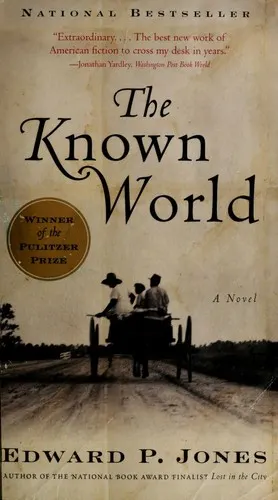
Like Morgan, Jones treats ownership as America’s deepest moral delusion. Beginning with the death of Henry Townsend, a Black slaveholder in antebellum Virginia, the novel expands into an entire community whose lives expose the unstable boundaries between property, family, freedom, and power.
Jones’s omniscient narration moves through time with astonishing confidence, casually revealing how a choice will echo decades later. That formal daring recalls The Sport of Kings at its best: history is not background but an active pressure inside every character. Winner of the Pulitzer Prize, The Known World has the amplitude of a national epic and the precision of intimate tragedy. Its moral imagination is so complete that reading it permanently complicates the way one thinks about guilt and innocence.
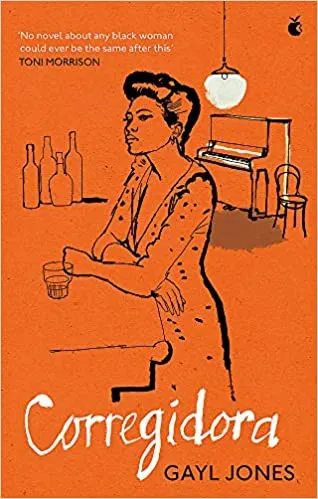
Readers seized by Morgan’s treatment of bloodlines, reproduction, racial violence, and the body as a historical document should not miss Corregidora. Ursa, a blues singer, has been raised to preserve her foremothers’ testimony about a Portuguese slave owner; after an injury leaves her unable to bear children, that inherited command becomes even more consuming.
Jones writes in repetitions, breaks, and refrains that work like blues music—compressed, hypnotic, and emotionally scorching. Where Morgan builds a sprawling dynasty, Jones concentrates generations of coercion into one woman’s voice. Published under Toni Morrison’s editorship, Corregidora became a landmark of Black feminist fiction. Few novels have said more, or cut deeper, in so little space.
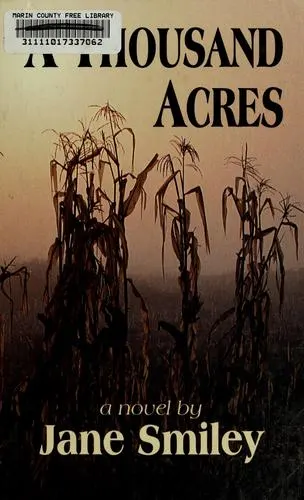
Smiley’s Pulitzer-winning novel understands, as The Sport of Kings does, that a magnificent family estate may be a monument built over buried suffering. Ginny Cook narrates life on her father’s prosperous Iowa farm with apparent calm; when he decides to divide the land among his daughters, old loyalties begin to reveal their true cost.
The novel draws on King Lear, but its force comes from making patriarchal power domestic and tangible: it exists in deeds, drainage systems, dinner-table silences, and the trained reflex to protect a father’s authority. Smiley’s measured first-person prose is far quieter than Morgan’s baroque sweep, yet the accumulating pressure is devastating. If Forge Run fascinated you as both beloved ground and poisoned legacy, the Cook farm will become equally impossible to forget.