Author
Books like Barbara Comyns
6 books we recommend to Barbara Comyns readers, drawn from The Vet's Daughter and Our Spoons Came from Woolworths — each with the reason why.
If you loved The Vet's Daughter
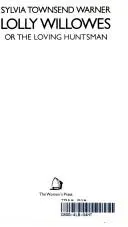
Like Comyns, Warner writes about a woman whom other people regard as usable property. Laura Willowes is absorbed into her brother’s household, her desires dismissed as harmless eccentricities, until she quietly chooses a different life. The comedy is exquisitely dry, but beneath it lies the same fury that animates The Vet’s Daughter: what looks like feminine oddness may be a form of resistance.
Warner also lets the supernatural enter without breaking the novel’s social realism. Witchcraft feels less like fantasy than the logical answer to respectable tyranny. This 1926 debut became the inaugural Book-of-the-Month Club selection, yet it remains startlingly subversive: lucid, funny, and wholly unsentimental about freedom. Alice Rowlands would recognize Laura’s need for escape immediately.
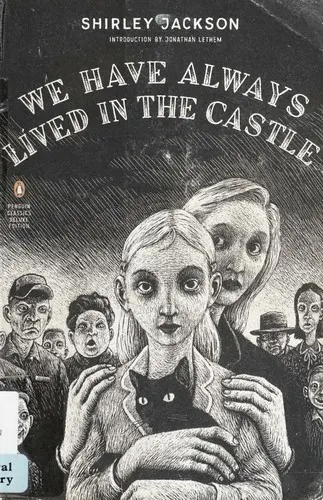
Merricat Blackwood has one of fiction’s great strange voices: precise, childish, malicious, funny, and governed by a logic entirely her own. She lives with her sister Constance and Uncle Julian in a house shunned by the village, arranging small rituals to keep danger outside. As in Comyns, ordinary domestic objects acquire the charge of charms, threats, or witnesses.
Jackson’s defining novel shares The Vet’s Daughter’s rare balance of cruelty and enchantment. Neither author pauses to explain her heroine’s strangeness; each makes us inhabit it until the supposedly normal world looks far more grotesque. The book’s devoted following is deserved: it is compact enough to read in a sitting and uncanny enough to alter the atmosphere of a room.
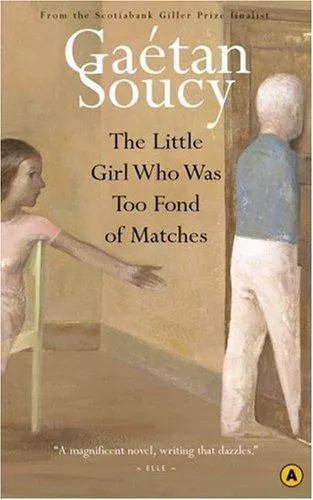
Soucy’s nameless narrator has been raised with a sibling on an isolated estate under the absolute rule of their father. When that rule abruptly ends, the outside world must be encountered through a vocabulary warped by seclusion, punishment, religion, and ignorance. The resulting voice is the novel’s marvel: ceremonious, comic, horrifying, and heartbreakingly innocent.
This is the harshest recommendation here, but perhaps the closest to Comyns’s gift for making abuse feel like a corrupted fairy tale told from inside the spell. Soucy’s international cult novel never prettifies suffering; instead, its linguistic inventions reveal how a mind survives what it cannot properly name. Readers haunted by Alice’s matter-of-fact narration will find this short book difficult to shake.
If you loved Our Spoons Came from Woolworths
Pompey Casmilus, a publisher’s secretary, types her thoughts on office paper: memories, jokes, prejudices, love affairs and sudden apprehensions of cruelty. Like Sophia Fairclough, she sounds spontaneous and guileless while noticing far more than respectable people suppose.
Smith’s 1936 debut has the darting rhythms and macabre wit familiar from her celebrated poetry. Its fragments create an intimate, unruly intelligence rather than a conventional narrative voice. Anyone enchanted by Comyns’s ability to make comedy, pain and social observation coexist in one plain sentence should seek out this singular modernist novel.

Bainbridge shares Comyns’s rare tonal gift: calamity arrives wearing the clothes of farce. Brenda and Freda, ill-matched flatmates working at a bottle factory, prepare for an employee outing amid romantic schemes, workplace tensions and small humiliations. Bainbridge watches them with unsentimental tenderness, letting awkward details carry enormous emotional weight.
Winner of the Guardian Fiction Prize, this compact novel is among Bainbridge’s finest black comedies. Its briskness is deceptive: every eccentric gesture exposes loneliness, class vulnerability or thwarted desire. If Comyns made you laugh while keeping you uneasily aware of how exposed Sophia is, Bainbridge will produce the same dangerous laughter.
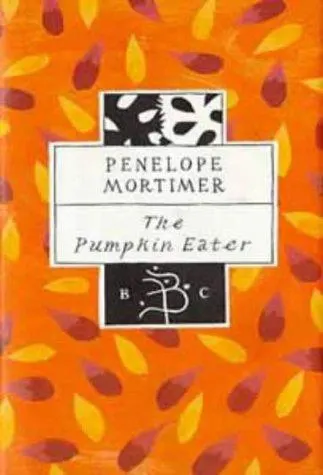
Mortimer begins with a woman crying in Harrods and being sent to a psychiatrist, who wants to reduce her complicated life to manageable facts: husbands, children, symptoms. Her narrator’s resistance—funny, intelligent and increasingly furious—turns domestic experience into an indictment of the assumptions surrounding marriage and motherhood.
Where Comyns uses apparent innocence, Mortimer uses acid lucidity, but both refuse to sentimentalize maternal love or conceal its physical and economic costs. Long cherished as a feminist classic, The Pumpkin Eater is devastating precisely because its wit never becomes a shield against feeling. It gives articulate form to pressures that Sophia can only recount, making it an indispensable companion to Comyns.