Author
Books like Ayana Mathis
3 books we recommend to Ayana Mathis readers, drawn from The Twelve Tribes of Hattie — each with the reason why.
If you loved The Twelve Tribes of Hattie
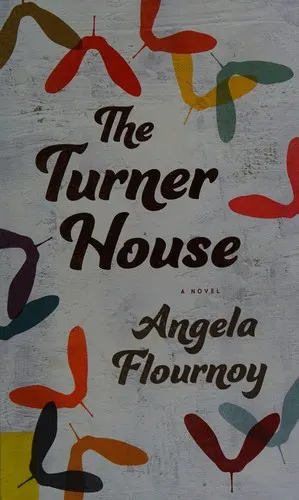
Thirteen grown siblings must decide what to do with their deteriorating childhood home in Detroit, while the eldest, Cha-Cha, confronts a visitation he has denied for decades. Flournoy gives every Turner a distinct hunger and private mythology, achieving the same difficult feat as Mathis: making a large family feel intimate without reducing anyone to a type.
A National Book Award finalist, the novel understands migration not as a completed journey but as an inheritance—one that shapes money, marriage, pride, and the stories children tell about their parents. It is funnier and more companionable than Hattie, but equally alert to the way parental choices echo through adult lives. By the end, the Turners feel less like characters than a family you have somehow joined.

A young sculptor traveling with her Haitian-born father discovers that the story she has built around him is dangerously incomplete. From there, Danticat moves among people connected to his past, and each new perspective alters the moral shape of what came before.
This is the recommendation for readers most captivated by Mathis’s structure: separate lives becoming a single, devastating portrait. Danticat writes with extraordinary restraint, letting guilt, tenderness, and fear gather in the silences between characters. Like Hattie, the parent at the book’s center can never be captured by one child’s judgment. Few novels show so powerfully how history enters a household and changes the meaning of love.
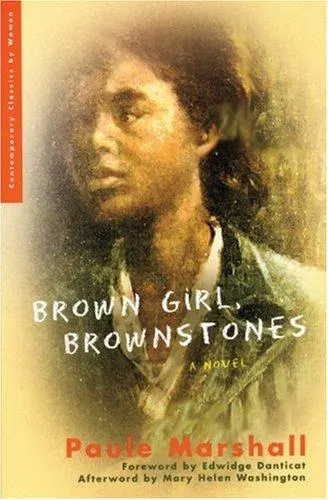
Selina Boyce grows up in a Brooklyn brownstone caught between her Barbadian immigrant parents: dreamy, charming Deighton and formidable Silla, whose determination to secure the family’s future can feel indistinguishable from tyranny. The struggle between Selina and her mother is fierce because Marshall grants both women their full intelligence, vanity, courage, and need.
First published in 1959 and now recognized as a foundational Caribbean-American novel, Brown Girl, Brownstones has the emotional severity that makes Hattie unforgettable. It treats motherhood without sentimentality and ambition without easy praise, revealing how survival can harden into domination. Silla Boyce belongs beside Hattie Shepherd among literature’s great difficult mothers; not to meet her is to miss one of the richest family conflicts in American fiction.