Author
Books like Astrid Lindgren
4 books we recommend to Astrid Lindgren readers, drawn from The Brothers Lionheart and Mio, My Son — each with the reason why.
If you loved The Brothers Lionheart
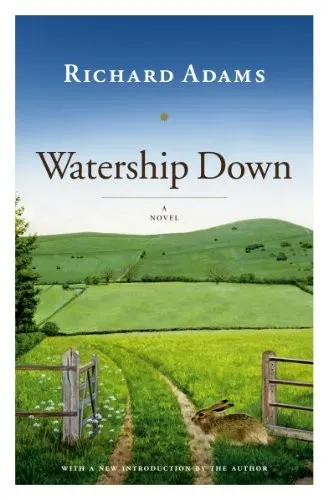
Hazel and Fiver offer another unforgettable portrait of brothers whose different kinds of courage make each other stronger. When Fiver foresees disaster, Hazel trusts him and leads a small band of rabbits away from their warren. What follows has the danger and momentum of an epic, yet its deepest concern is the same as Lindgren’s: bravery does not mean being unafraid; it means refusing to abandon those who depend on you.
Adams also creates myths, songs and a whole moral world without losing the vulnerability of small creatures in a violent landscape. Winner of both the Carnegie Medal and the Guardian Children’s Fiction Prize, Watership Down has become a classic because its heroism feels earned rather than ornamental. Readers who still carry Jonathan and Karl with them may find Hazel and Fiver joining them.
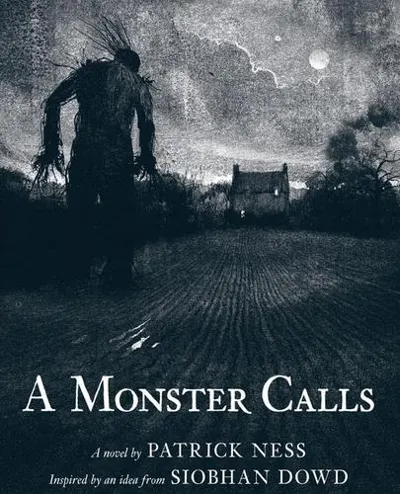
Conor’s mother is ill, and at 12:07 each night a monster comes to his window demanding something harder than courage: the truth. Patrick Ness, working from an idea by Siobhan Dowd, refuses every easy reassurance about grief. Like Lindgren, he understands that children can bear painful stories—and that imaginative fiction can speak about death more honestly than polite realism often does.
The monster is frightening, funny, ancient and unexpectedly compassionate; Jim Kay’s shadowy illustrations make its visits feel half nightmare, half folktale. The novel became the first book whose author and illustrator won the Carnegie and Kate Greenaway Medals in the same year. It is devastating, but never merely bleak: its severity is an act of kindness.
If you loved Mio, My Son
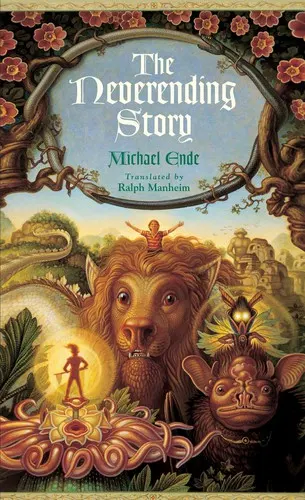
Bastian Balthazar Bux is an unhappy, awkward boy who steals a mysterious book and hides in his school attic to read it. Fantastica soon becomes more than an escape: it answers needs Bastian can barely admit, while asking what happens when longing, imagination, and identity begin to shape one another.
Like Mio, My Son, Ende’s novel takes a child’s desire to be wanted with complete seriousness. Its wonders—the Ivory Tower, racing snails, luck dragons, deserts of impossible color—carry emotional weight rather than serving as decoration. The book grows stranger and morally richer as it proceeds, exploring not only the saving power of fantasy but its dangers. A modern German classic beloved far beyond children’s literature, it offers the rare pleasure of a vast adventure whose real terrain is the reader’s own hidden wishes.
Le Guin’s young Ged discovers that he possesses immense magical ability and leaves his island home to learn the disciplined art of wizardry. In Earthsea, magic depends on the true names of things; words are consequential, pride is dangerous, and every act alters a delicate balance.
The kinship with Mio lies in the storytelling itself: spare, musical, archetypal prose that makes sea crossings, shadows, silence, and companionship feel older than memory. Le Guin grants fear its full power, but she does not confuse courage with invulnerability. Ged must learn what kind of strength can meet darkness without becoming another form of it.
A foundational work of modern fantasy, A Wizard of Earthsea transformed the genre through its moral depth and quiet authority. Its world is enormous, yet the novel remains as concentrated as a folktale—a book to read young for the adventure and reread later for the wisdom concealed inside it.