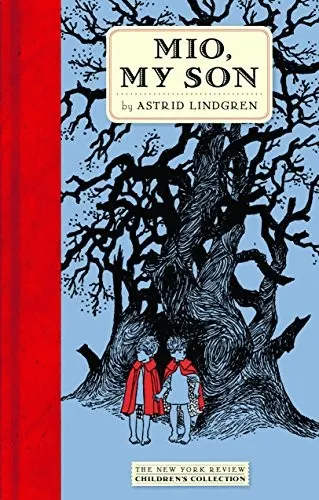
Books like Mio, My Son
In Mio, My Son, the repeated words of a loving father become almost a spell: they give an abandoned child a name, a home, and enough courage to face a world where beauty and terror grow side by side.
If you liked Mio, My Son, you’ll love these
Not lookalikes — kindred books. Each one shares something essential with Mio, My Son, and we tell you exactly what.
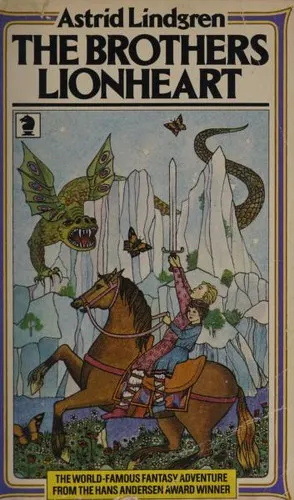
Lindgren again writes directly into a child’s worst fears without becoming bleak. Sickly Karl adores his dazzling older brother Jonathan, who tells him of Nangiyala, a land beyond death where adventures await. Their bond has the same protective warmth that makes the King’s love for Mio so powerful.
The story’s valleys, campfires, legends, and looming tyranny possess the grave simplicity of an old ballad. Yet its heroism is intimate rather than grand: courage means acting while frightened because someone else needs you. Often considered one of Lindgren’s greatest and most daring books, it has inspired fierce devotion precisely because it refuses to offer children easy consolation. Anyone moved by Mio’s passage from loneliness into love should not miss Lindgren’s even more searching masterpiece about what love asks of us.
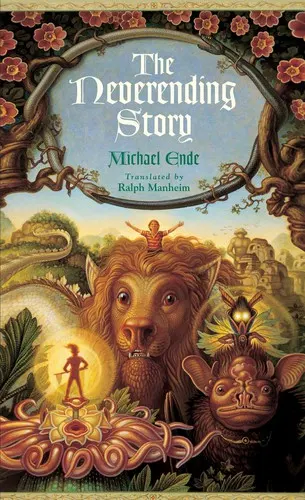
Bastian Balthazar Bux is an unhappy, awkward boy who steals a mysterious book and hides in his school attic to read it. Fantastica soon becomes more than an escape: it answers needs Bastian can barely admit, while asking what happens when longing, imagination, and identity begin to shape one another.
Like Mio, My Son, Ende’s novel takes a child’s desire to be wanted with complete seriousness. Its wonders—the Ivory Tower, racing snails, luck dragons, deserts of impossible color—carry emotional weight rather than serving as decoration. The book grows stranger and morally richer as it proceeds, exploring not only the saving power of fantasy but its dangers. A modern German classic beloved far beyond children’s literature, it offers the rare pleasure of a vast adventure whose real terrain is the reader’s own hidden wishes.
Le Guin’s young Ged discovers that he possesses immense magical ability and leaves his island home to learn the disciplined art of wizardry. In Earthsea, magic depends on the true names of things; words are consequential, pride is dangerous, and every act alters a delicate balance.
The kinship with Mio lies in the storytelling itself: spare, musical, archetypal prose that makes sea crossings, shadows, silence, and companionship feel older than memory. Le Guin grants fear its full power, but she does not confuse courage with invulnerability. Ged must learn what kind of strength can meet darkness without becoming another form of it.
A foundational work of modern fantasy, A Wizard of Earthsea transformed the genre through its moral depth and quiet authority. Its world is enormous, yet the novel remains as concentrated as a folktale—a book to read young for the adventure and reread later for the wisdom concealed inside it.