Author
Books like Arthur Morrison
3 books we recommend to Arthur Morrison readers, drawn from A Child of the Jago — each with the reason why.
If you loved A Child of the Jago
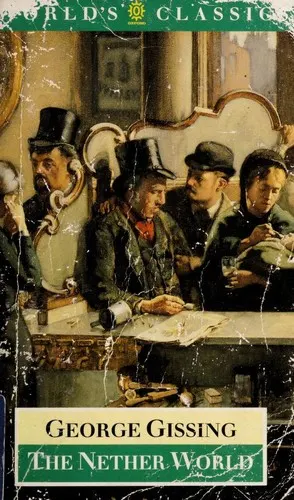
Gissing offers the closest match to Morrison’s unsentimental moral vision. His Clerkenwell is not merely a backdrop but a complete social mechanism, shaping desire, family loyalty, courtship and even the forms that hope can take. Like Morrison, he understands that poverty does more than deprive people of money: it narrows the imaginable future.
The prose is less slangy and more psychologically searching than Morrison’s, but the same bitter question drives it: what chance has individual goodness inside a system that rewards hardness? Often judged Gissing’s masterpiece, The Nether World is one of the essential novels of late-Victorian London—and its refusal of easy rescue makes it unusually difficult to forget.
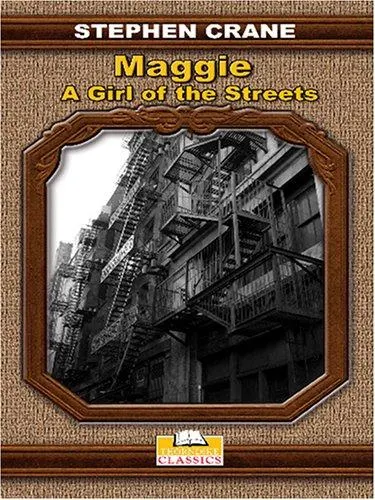
What Crane shares with Morrison is speed, ferocious irony and a distrust of respectable spectators. Maggie grows up amid violence and theatrical moralizing, in a neighborhood where everyone has learned to judge everyone else. Crane’s dialogue snaps and collides; his characters inhabit a collective language almost as powerfully as Morrison’s Jago does.
Privately printed in 1893 because publishers found it too uncompromising, this brief novel became a foundational work of American naturalism. It is sharper and more hallucinatory than documentary realism usually allows: scenes flare up like lurid stage pictures, exposing the hypocrisy hidden inside conventional ideas of virtue. Its small size only makes the blow land harder.
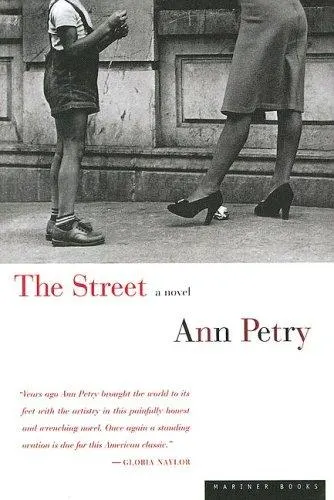
Petry turns the pressure Morrison locates in streets and institutions into an intensely sensory experience. From the opening pages, wind, buildings, crowds and money seem to conspire against Lutie Johnson, a working mother determined to secure a better life. Her ambition is neither mocked nor romanticized; Petry shows precisely how intelligence and effort can become vulnerabilities when every opportunity carries someone else’s price.
The Street is more intimate than A Child of the Jago, bringing the reader inside the consciousness that Morrison often observes from outside, yet it has the same devastating grasp of environment as fate without reducing its characters to case studies. Published in 1946, it made Petry the first Black woman novelist to sell more than a million copies. Its power fully warrants that extraordinary readership: once Petry’s city begins closing around Lutie, the novel becomes almost physically impossible to put down.