Author
Books like Anne Michaels
3 books we recommend to Anne Michaels readers, drawn from Fugitive Pieces — each with the reason why.
If you loved Fugitive Pieces
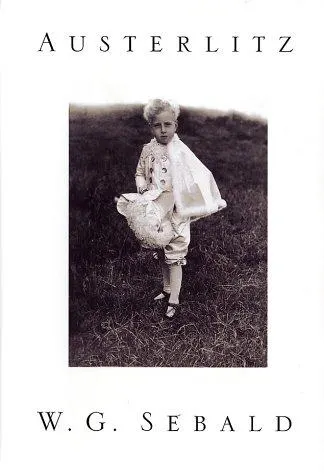
This is the closest match for the grave, searching intelligence of Fugitive Pieces. Jacques Austerlitz, encountered by the narrator in European railway stations and waiting rooms, speaks in long, hypnotic passages about architecture, displacement, and the obscured origins of his life. As in Michaels’s novel, buildings and landscapes are not backdrops: they are repositories of buried history.
Sebald’s photographs and spiraling sentences create the uncanny feeling that memory is conducting the investigation. Yet the novel is never merely cerebral; its restraint makes its grief more devastating. Widely regarded as Sebald’s masterpiece, Austerlitz is essential for anyone moved by Jakob Beer’s attempt to recover a self from historical catastrophe.
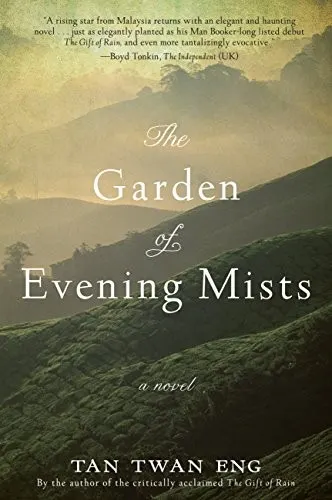
A retired judge returns to the Malaysian highlands intending to write down what she remembers before illness takes memory from her. Her recollections center on wartime suffering and on an enigmatic Japanese gardener from whom she once sought instruction.
The kinship with Fugitive Pieces lies in the novel’s understanding of craft: a garden, like a poem, can impose form without falsifying pain. Tan renders plants, stones, mist, and physical labor with extraordinary sensuous precision, while asking whether beauty can commemorate violence without redeeming it too easily. This Booker-shortlisted novel has earned passionate readers because its elegance conceals formidable emotional force; its final pattern lingers long after the story ends.
For the strand of Fugitive Pieces in which survival depends upon language—and in which love remains possible despite irreparable loss—read Nicole Krauss. The novel begins with Leo Gursky, an aging, extravagantly lonely man, and Alma, a young girl named after a woman in a mysterious book. Their voices gradually gather around a manuscript displaced by war.
Krauss is warmer and more playful than Michaels, moving between melancholy, comedy, and yearning, but she shares Michaels’s fascination with the afterlife of words: who preserves them, who misreads them, and how they join lives across absence. Beloved since its publication and a finalist for the Orange Prize, The History of Love achieves something rare: it is formally intricate without sacrificing intimacy, and deeply sad without surrendering delight.