Author
Books like Anne Carson
3 books we recommend to Anne Carson readers, drawn from Autobiography of Red — each with the reason why.
If you loved Autobiography of Red
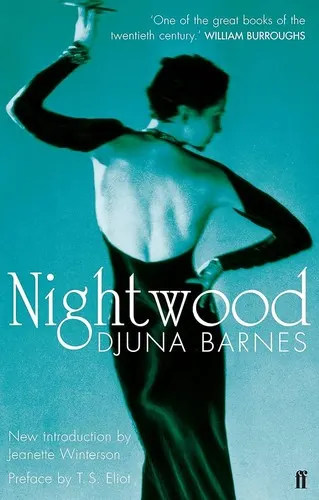
This queer modernist classic is built from the same volatile mixture of erotic abasement, wit, philosophy, and gorgeous verbal excess. At its center is Nora Flood’s consuming love for the elusive Robin Vote, but Barnes refuses to make desire psychologically tidy: love becomes an affliction, a theology, almost a species of night vision.
Its sentences are baroque where Carson’s are crystalline, yet both writers make impossible images feel exact. The extraordinary Doctor O’Connor can move within a single speech from anatomy to vaudeville to metaphysics. Nightwood earned its lasting cult not by offering consolation, but by giving humiliating, ungovernable longing a language magnificent enough to contain it.
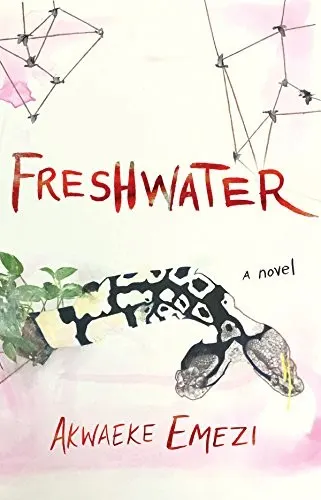
Freshwater begins with Ada, a child understood through Igbo ontology as inhabited by multiple spiritual selves. Those selves narrate her life in a shifting chorus, turning autobiography into an argument over who—or what—gets to say “I.” Like Carson, Emezi treats mythology not as antique ornament but as a living method for describing experiences conventional realism cannot hold.
The result is intimate, bodily, dangerous, and formally audacious. Emezi’s acclaimed debut made them a National Book Foundation 5 Under 35 honoree and became a touchstone for readers seeking fiction beyond fixed ideas of gender, identity, and personhood. If Geryon’s strangeness felt more truthful than ordinary characterization, Ada’s plurality will feel revelatory.
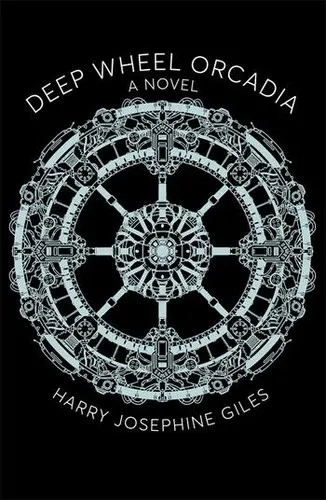
On a remote space station, Astrid returns to the home she left while Darling arrives looking for somewhere to begin again. Giles tells their story in verse written in Orkney dialect, with an English rendering accompanying it—but the two versions never quite coincide. Meaning lives in the charged space between them, just as Carson’s meaning often flashes between lyric, photograph, myth, and silence.
The romance is tender without becoming simple; private longing unfolds amid machinery, communal memory, and the gravitational pull of home. Deep Wheel Orcadia won the Arthur C. Clarke Award, an extraordinary victory for a formally radical verse novel. Reading it feels less like decoding an experiment than discovering that only this doubled, musical language could have expressed these lives.