Author
Books like Angus Wilson
3 books we recommend to Angus Wilson readers, drawn from Anglo-Saxon Attitudes — each with the reason why.
If you loved Anglo-Saxon Attitudes
Like Gerald Middleton, Amis’s ageing Welsh friends have accumulated decades of betrayals, evasions and carefully edited memories. The return of a celebrated writer disturbs their settled round of drinking, marriages and grudges, exposing the vanity beneath public reputations and the tenderness surviving beneath bad behaviour.
The comedy is magnificently sharp, but never merely punitive: Amis understands that ridiculous people can also suffer, love and recognize—too late—what they have squandered. Winner of the 1986 Booker Prize, The Old Devils is one of the great British novels of compromised old age, and perhaps Amis’s richest achievement.
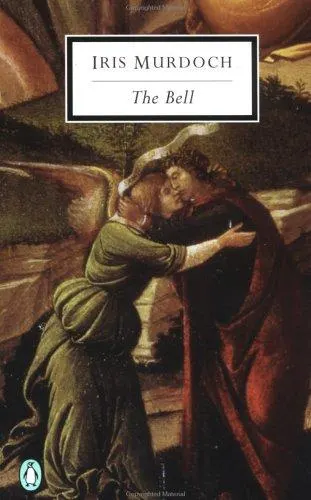
At Imber Court, a lay religious community attempts to build a life of discipline beside an enclosed abbey. Into it comes Dora Greenfield, returning unhappily to her husband, while the community’s leader carries his own burden of divided desire.
Murdoch shares Wilson’s fascination with the ingenious stories intelligent people tell themselves to avoid moral truth. She also matches his ability to orchestrate a crowded cast: idealists, meddlers, seekers and hypocrites collide in scenes that are at once farcical and spiritually consequential. One of Murdoch’s most enduringly loved novels, The Bell offers the same exhilarating discovery that moral seriousness need not exclude comedy, sensuality or suspense.
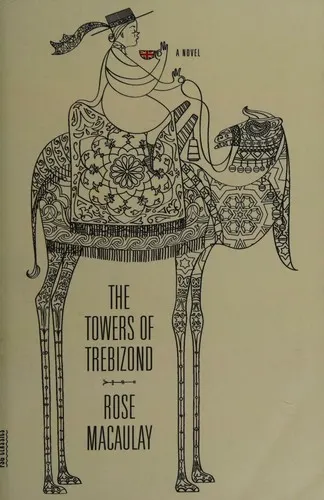
Macaulay begins with an eccentric expedition involving Aunt Dot, an Anglican clergyman and a camel, and sustains a tone of apparently effortless, civilized absurdity. Yet beneath the travel comedy lies Laurie’s painful inability to reconcile religious belief, romantic attachment and the life she actually leads.
That mixture should feel wonderfully familiar: as in Anglo-Saxon Attitudes, wit is not an escape from guilt but the instrument that uncovers it. Macaulay moves from jokes about ecclesiastical hobbyhorses and English cranks to passages of startling desolation without breaking the narrator’s distinctive spell. Winner of the James Tait Black Memorial Prize, it is a singular masterpiece—funny enough to quote, sad enough to haunt you.