Author
Books like Angela Carter
9 books we recommend to Angela Carter readers, drawn from Nights at the Circus, The Magic Toyshop, Wise Children and The Passion of New Eve — each with the reason why.
If you loved Nights at the Circus
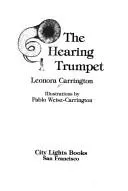
Marian Leatherby is ninety-two, nearly deaf, and given a hearing trumpet just in time to discover that her family intends to send her to an institution. From there, Carrington builds an increasingly ungovernable world of sinister philanthropy, occult architecture, female solidarity, and cosmic upheaval.
Like Fevvers, Marian defeats the categories meant to contain her: victim, eccentric, old woman. Carrington’s surrealism is not decorative but liberating, demolishing the supposedly rational systems through which men control women. Long cherished as a cult classic, The Hearing Trumpet has the rare combination of philosophical strangeness and genuine comic delight. Its elderly anarchists make most fictional rebels look timid.
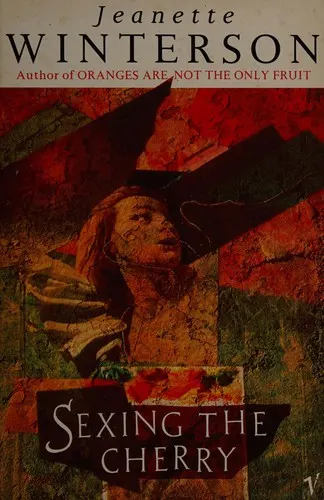
Winterson’s seventeenth-century England is narrated partly by the Dog-Woman, a colossal, foul-mouthed, fiercely maternal outcast whose physical extravagance recalls Fevvers without imitating her. Her adopted son, Jordan, journeys through places where time, desire, and identity refuse to behave sensibly.
The kinship with Carter is in the telling: bawdy folklore collides with official history, fairy tales are dismantled and rebuilt, and impossible events disclose truths that realism cannot reach. Winterson’s compact novel has become a landmark of British fabulism, but it never feels dutiful or canonical. It is lush, insolent, tender, and packed with images that lodge permanently in the imagination.
China Iron begins by escaping the life assigned to her and setting out across the Argentine pampas with Liz, a magnetic Scottish woman. What follows transforms a foundational macho legend of Argentine literature into something sensuous, queer, comic, and radically hospitable.
Cabezón Cámara shares Carter’s gift for making emancipation feel physical: light, fabric, landscape, appetite, and erotic discovery all shimmer in Iona Macintyre’s translation. Yet beneath the rapture is a sharp assault on nationalism, colonial violence, and the stories cultures tell to make domination look heroic. Shortlisted for the International Booker Prize, this is no respectful revision of a classic; it is a joyous raid on literary tradition, returning with an entire alternative world.
If you loved The Magic Toyshop

Comyns begins with a young woman trapped in the London household of her brutal veterinary-surgeon father, then lets the uncanny seep into her life as quietly as damp through a wall. Like Carter, she understands that a tyrant’s home is a private mythology: animals, bodies, rooms, and household objects all become charged with fear.
Yet Comyns’s style is startlingly different—plain, innocent-seeming, and deadpan where Carter is lush. That simplicity makes every grotesque detail more piercing. Long admired by writers including Graham Greene and preserved as a cult classic, The Vet’s Daughter is brief enough to devour in an evening and haunting enough to remain for years.
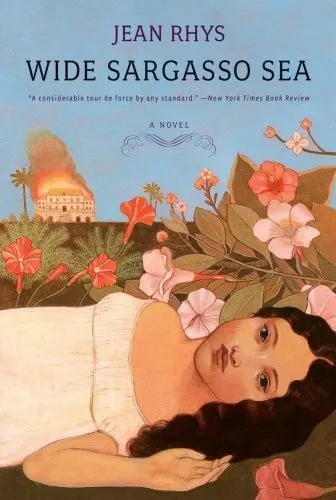
If you loved Melanie’s dawning awareness that men can turn women into dolls, roles, and possessions, Rhys’s masterpiece is essential. Its heroine grows up amid beauty so intense that it already seems feverish: orchids, heat, ruined estates, family secrets, and threats half understood. Gradually, the novel reveals how identity can be overwritten by someone with the power to rename and narrate you.
Rhys’s prose has Carter’s sensuous immediacy but replaces her baroque wit with fractured, dreamlike sorrow. Winner of the WH Smith Literary Award and now regarded as a landmark of twentieth-century fiction, Wide Sargasso Sea does something rare: it makes lushness itself feel perilous. Every gorgeous sentence tightens the enclosure.
If you loved Wise Children
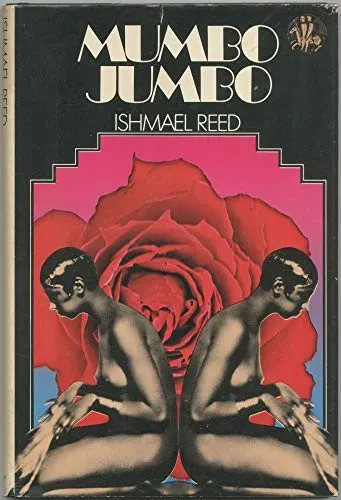
Reed’s landmark 1972 satire treats culture as a battle between sterile authority and infectious pleasure. Its liberating epidemic, Jes Grew, spreads through music and movement while a secret establishment tries to suppress it. Like Carter, Reed knows that “high” culture often depends on denying the artists, bodies and stolen traditions that made it possible.
The novel itself refuses decorum: photographs, footnotes, manifestos, detective fiction and historical burlesque jostle together like turns in a revue. Readers who loved Dora Chance’s insolent counter-history will recognize the exhilaration of watching excluded performers seize the narrative. Mumbo Jumbo remains a touchstone of Black postmodern fiction because its formal mischief is inseparable from its argument—and because few novels make intellectual rebellion feel so much like dancing.
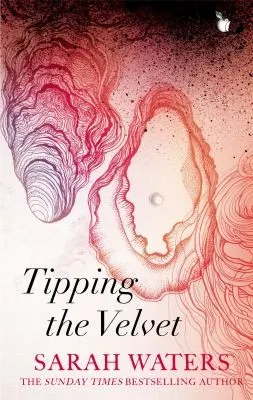
Nan King’s life changes when she sees Kitty Butler perform as a male impersonator in a Kent music hall. Waters makes the attraction immediate: the greasepaint, tailored suits, footlights and charged complicity between performer and audience. Yet this is more than sumptuous backstage fiction. Nan must discover how thoroughly identity can be rehearsed—and how dangerous it is when other people insist on casting your part.
A beloved modern classic of queer historical fiction, Waters’s debut has Carter’s relish for sexual candour, theatrical illusion and the porous border between artifice and truth. Its Victorian world is not a tasteful museum but a place of sweat, money, desire and reinvention. If Wise Children made you love the stage as both trap and escape route, Nan’s audacious journey belongs on your reading list.
If you loved The Passion of New Eve
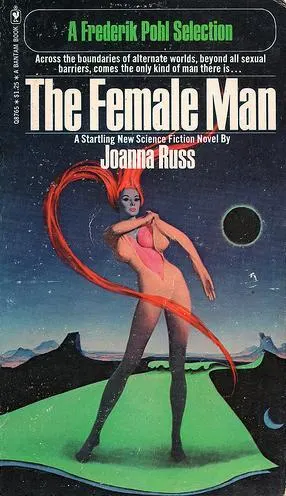
Russ turns gender into a collision experiment. Four women—versions or possible counterparts of one another—inhabit radically different social realities, and their encounters expose how personality, desire, and even common sense are shaped by power. Like Carter, Russ refuses the comfort of a tidy feminist parable: liberation carries aggression, contradiction, fantasy, and grief.
The novel’s splintered voices, jokes, polemics, and abrupt formal shifts make reading feel like watching an argument break the machinery built to contain it. A foundational work of feminist science fiction, The Female Man remains startling because its anger is intellectually alive rather than merely righteous. If New Eve thrilled you by making gender unstable, theatrical, and dangerous, Russ takes that instability and turns it into a weapon.
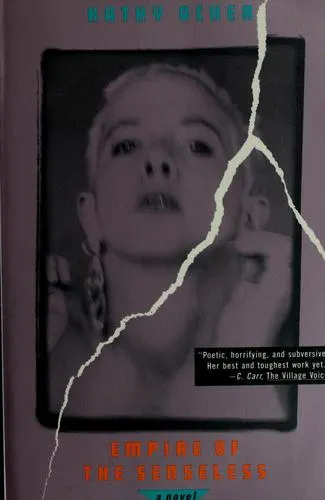
Acker writes as if language itself has been colonized—and must be vandalized before anyone can speak freely. Empire of the Senseless follows Abhor and Thivai through a violently unstable world, but plot is only one material among many: pornography, adventure fiction, confession, dream, plagiarism, and political rant are cut apart and spliced together.
Where Carter’s lush mythmaking reveals the violence hidden inside cultural fantasies, Acker attacks those fantasies at sentence level. Identity repeatedly slips; sexuality becomes a battleground; inherited stories are stolen and made to testify against themselves. Acker’s confrontational work became a touchstone for punk, queer, and experimental writing because no polite category could hold it. Empire of the Senseless is abrasive and uncompromising—but after New Eve, its refusal to separate beauty from obscenity or self-creation from destruction may feel less like provocation than necessity.