Author
Books like Andrei Bely
3 books we recommend to Andrei Bely readers, drawn from Petersburg — each with the reason why.
If you loved Petersburg
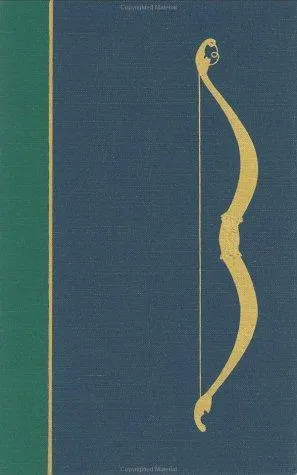
Like Bely, Joyce turns a city into an immense instrument for registering private thought, public history, stray sensation, and verbal accident. Dublin is rebuilt through changing styles: intimate interior monologue gives way to parody, theatrical hallucination, journalism, catechism, and song. The result is not merely experimental; it captures how consciousness is continually invaded by advertisements, inherited phrases, bodily impulses, and civic myths.
Where Petersburg makes a statesman’s household and a revolutionary plot vibrate with cosmic absurdity, Ulysses discovers comparable grandeur and comedy in one ordinary day. Its influence is incalculable, but the strongest reason to read it is the inexhaustible pleasure devotees find beneath its reputation for difficulty. Few other novels make language feel so physically alive.
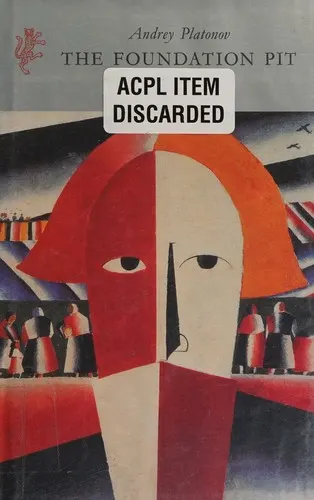
Platonov takes one of Bely’s most unsettling gifts—the power to make abstractions solid and objects disturbingly sentient—and pushes it into the Soviet age. Voshchev, dismissed from his job for thinking too much, joins laborers digging the foundation for a vast communal building. Around them, official ideals enter everyday speech and warp it from within.
The great attraction is Platonov’s prose: earnest, damaged, funny, and desolate, as though ideology had altered the grammar of human feeling. Like Bely’s bomb, the excavation becomes at once a physical thing, a governing symbol, and a source of metaphysical dread. Long suppressed and now regarded as a twentieth-century masterpiece, this short novel accomplishes what very few political fictions can: it makes history audible in the strangest turns of a sentence.
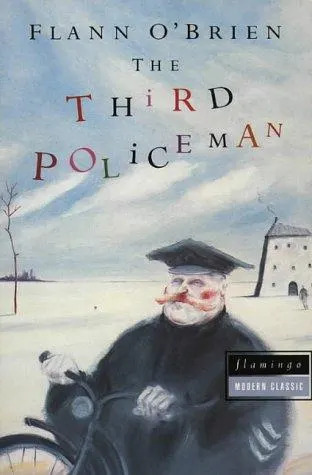
For the reader who loved Petersburg’s comic nightmare—its unstable reality, obsessive motifs, animated objects, and sense that logic itself has become conspiratorial—The Third Policeman is nearly irresistible. Its nameless narrator calmly confesses his involvement in a murder, then enters a world where pedantry and terror obey the same immaculate rules.
O’Brien writes with deadpan precision, allowing philosophical speculation, bureaucratic conversation, and physical farce to undermine reality one measured step at a time. The book was rejected in his lifetime but became a fiercely loved posthumous classic because its machinery is so original and so perfectly controlled. It is both hilarious and existentially alarming: a compact novel that, like Petersburg, leaves ordinary matter looking permanently less innocent.