Author
Books like Alan Paton
3 books we recommend to Alan Paton readers, drawn from Cry, the Beloved Country — each with the reason why.
If you loved Cry, the Beloved Country
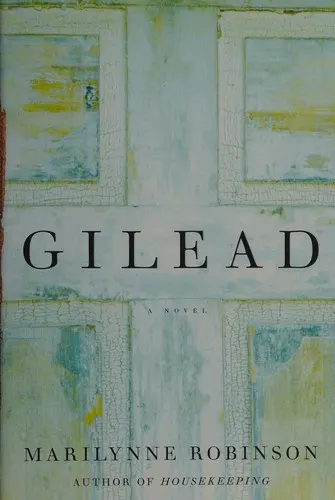
Like Paton, Robinson writes in a language steeped in scripture yet alive to doubt, tenderness, and ordinary beauty. An elderly Iowa minister, knowing he will not see his young son grow up, begins a letter meant to outlast him. From that quiet premise Robinson draws a profound meditation on fathers and sons, inherited guilt, racial history, forgiveness, and the mystery of loving a flawed world.
Winner of the Pulitzer Prize and beloved for its luminous, contemplative voice, Gilead offers the same rare experience as Cry, the Beloved Country: moral seriousness without self-righteousness. Its sentences seem to bless what they describe. Anyone moved by Paton’s ability to find grace amid national and private grief should not miss it.
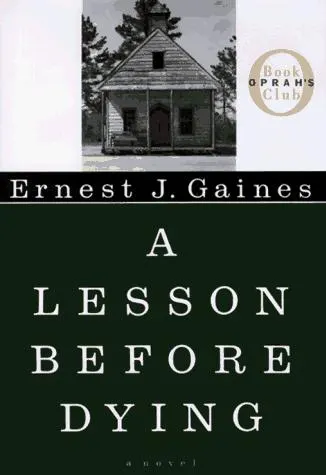
In segregated 1940s Louisiana, Jefferson, a young Black man condemned to death, has been compared in court to a hog. His godmother asks Grant Wiggins, the local schoolteacher, to help him face execution as a man. Gaines makes that request the center of a fierce, spare novel about what dignity can mean when justice has already failed.
The kinship with Paton lies not merely in racial oppression but in the way both writers dramatize redemption as a shared labor. Grant’s education, bitterness, and uneasy responsibilities matter as much as Jefferson’s fate; a whole community gathers moral weight around them. The novel won the National Book Critics Circle Award, and its closing pages have become famous for their emotional power. Gaines earns every drop of that emotion through restraint.
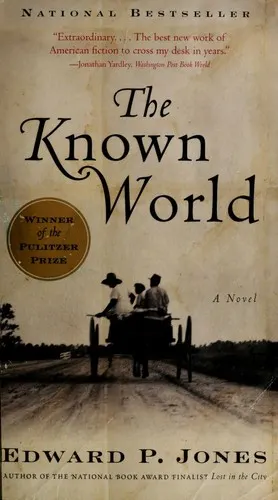
The opening fact is immediately unsettling: Henry Townsend, a formerly enslaved Black man in antebellum Virginia, has died leaving behind land, family, and enslaved people of his own. Edward P. Jones refuses the consolations of simple moral categories. Instead, he builds an entire community—enslaved and free, Black and white—whose lives expose how an unjust system enters private loyalties, marriages, ambitions, and ideas of responsibility.
Paton’s novel enlarges individual grief until it becomes the grief of a country; Jones performs a comparably astonishing feat, moving among many lives with an almost biblical omniscience and immense compassion. Winner of the Pulitzer Prize, The Known World is widely regarded as a modern American masterpiece. Its moral vision is demanding, humane, and unforgettable: it does not simply condemn evil but shows how thoroughly evil rearranges the human world.