Author
Books like Adania Shibli
3 books we recommend to Adania Shibli readers, drawn from Minor Detail — each with the reason why.
If you loved Minor Detail
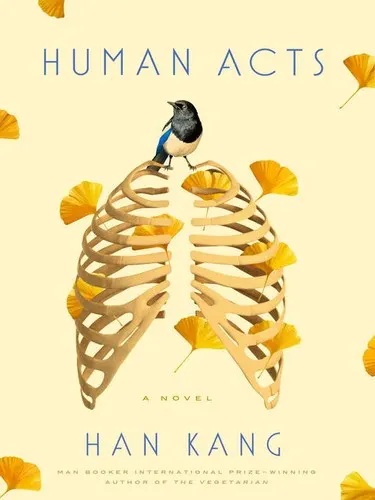
Han Kang begins amid the bodies left by the 1980 Gwangju uprising, then moves among people whom the violence has marked in radically different ways. Like Shibli, she distrusts any single, authoritative account of atrocity. Testimony fractures; the dead remain present; ordinary gestures become almost unbearable.
The kinship lies especially in the ethics of the prose. Han neither aestheticizes suffering nor retreats into abstraction: her lucid sentences force attention onto what institutions try to erase. This novel stands at the heart of the body of work that earned her the 2024 Nobel Prize. Readers drawn to Minor Detail’s terrible composure should not miss its equally disciplined, more choral counterpart.
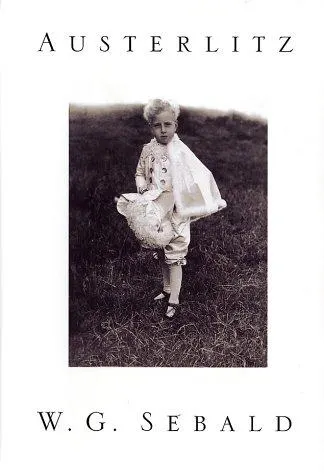
A chance meeting in an Antwerp railway station opens into a hypnotic sequence of conversations about buildings, photographs, travel, and the unreliable architecture of memory. Sebald’s long, drifting sentences seem far removed from Shibli’s compression, yet both writers understand that history often survives not as a coherent story but as an obsession with apparently incidental things.
Austerlitz makes archives, stations, waiting rooms, and blurred images feel haunted by what they cannot disclose. Its National Book Critics Circle Award reflects the rare authority it has acquired: few novels have shown so powerfully how a person can circle an absence for years before recognizing its claim. After Minor Detail, its patient pursuit of the nearly effaced feels essential.
On a spacecraft, crew members submit numbered statements to a committee about their work and a collection of mysterious objects. From those clipped reports, Olga Ravn constructs a world of surveillance, hierarchy, desire, and quiet revolt. The language is cool and administrative, but sensuous details—smells, textures, a longing for soil or sunlight—begin to exceed the system recording them.
This International Booker–shortlisted novel shares Shibli’s gift for making impersonal forms reveal intimate violence. Its fragments ask who is permitted to speak, whose account counts as evidence, and how power converts living experience into documentation. It is brief enough to read in an evening and strange enough to keep altering afterward.