Author
Books like Abraham Verghese
3 books we recommend to Abraham Verghese readers, drawn from The Covenant of Water and Cutting for Stone — each with the reason why.
If you loved The Covenant of Water
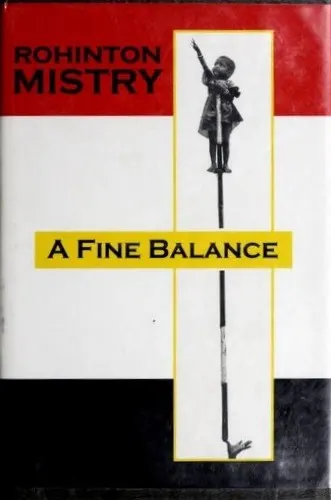
Mistry shares Verghese’s extraordinary ability to make a vast social world feel personal. In 1970s India, four people from sharply different circumstances are brought together in one household; from there, the novel builds its power through daily work, meals, quarrels, jokes, and small acts of care.
Like The Covenant of Water, it understands that the body is where history leaves its most undeniable marks. Yet its suffering never reduces its characters to victims: they remain funny, difficult, ingenious, and fiercely alive. Shortlisted for the Booker Prize and beloved for decades, A Fine Balance is devastating—but readers treasure it because its tenderness is as memorable as its pain.
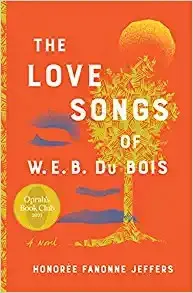
If you loved watching generations accumulate into a living family mythology, Jeffers’s monumental debut is indispensable. At its center is Ailey Pearl Garfield, a young Black woman coming of age while trying to understand the Southern family whose buried histories have shaped her long before she knows their names.
Jeffers moves across centuries without losing emotional intimacy, tracing how inheritance survives in land, stories, silence, desire, and the choices women make to protect one another. The result has the same immersive abundance as Verghese’s novel: individual lives gradually reveal themselves as part of something much larger. Winner of the National Book Critics Circle Award for Fiction, it is the kind of book readers do not merely admire; they inhabit it.
If you loved Cutting for Stone
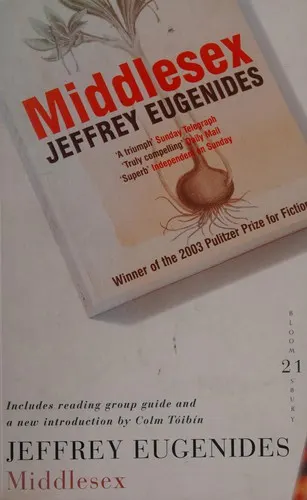
If the intertwined questions of ancestry, identity, and biological destiny held you in Cutting for Stone, Middlesex is essential. Its narrator, Cal, traces the story of an intersex body backward through a Greek American family’s secrets, migrations, accidents, and desires. Medicine matters here, but Eugenides is equally interested in the stories families construct around what bodies reveal.
The novel moves with exuberant intelligence between personal confession and multigenerational saga. It is funny where Verghese is often solemn, more playful with narration, and just as alert to the strange mixture of chance and inheritance that creates a life. Winner of the Pulitzer Prize, Middlesex has become a modern classic because its conceptual brilliance never eclipses its warmth; Cal’s voice makes an extraordinary history feel urgently human.