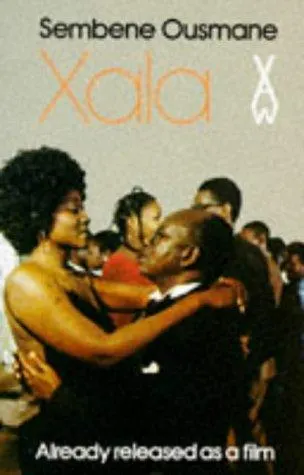
Books like Xala
The reader who delights in Xala has an appetite for satire that makes laughter inseparable from disgust: public grandeur punctured by private absurdity, post-independence ideals betrayed by a grasping elite, and the body itself turned into political evidence.
If you liked Xala, you’ll love these
Not lookalikes — kindred books. Each one shares something essential with Xala, and we tell you exactly what.
Sow Fall shares Sembène’s gift for building a ruthless social comedy from one beautifully simple reversal. When officials decide that beggars are spoiling their city’s modern image, the unwanted discover how indispensable they are to the very people who despise them.
Like Xala, this short Senegalese novel exposes status, piety, bureaucracy, and ambition as mutually reinforcing performances. Its satire is nimble rather than sermonizing, and every attempt by the powerful to control appearances tightens the trap around them. A landmark of Francophone African literature, it deserves to be read beside Xala: few novels dispatch hypocrisy with such economy or such wicked pleasure.
If Xala’s impotent businessman embodies the failure of a postcolonial ruling class, Ngũgĩ turns that class into a grotesque public pageant. A young Kenyan woman, Wariinga, travels toward a gathering where thieves and robbers compete in boasting about their exploitation—and the exaggeration only makes the underlying economics more recognizable.
Written in Gikuyu while Ngũgĩ was imprisoned, reportedly on prison-issued toilet paper, the novel became one of African literature’s defining acts of artistic and political defiance. Its energy comes from oral storytelling, caricature, song, invective, and audacious comic set pieces. It is fiercer and more expansive than Xala, but animated by the same conviction: satire can strip respectable predators of the language that protects them.
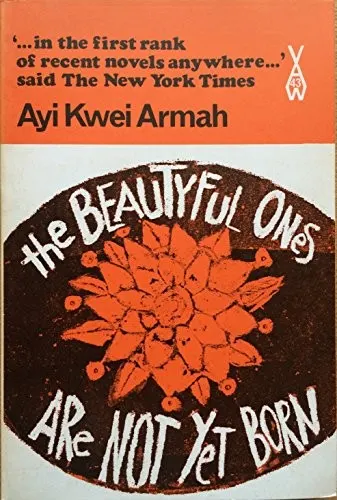
Armah offers the darker, more intimate counterpart to Sembène’s comedy. An unnamed railway clerk in newly independent Ghana tries to resist the bribery surrounding him, while corruption seems to seep into walls, buses, offices, and bodies. The prose makes political decay almost physically palpable—slime, rot, sweat, and refuse become the texture of betrayed national hope.
Where Xala humiliates the elite through farce, Armah asks what their world does to someone who refuses to join them. First published in 1968, the novel remains an enduring classic of post-independence disillusionment because its moral pressure never becomes simple: integrity can look like cowardice, compromise like ordinary survival. Readers who value the bodily symbolism and unsparing anger beneath Xala’s laughter should not miss this bracing masterpiece.