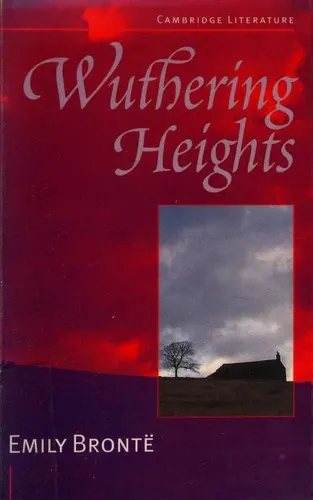
Books like Wuthering Heights
Aftershocks. These novels understand, as Brontë did, that love can become a force that deforms families, houses, memories, and even the telling of a story.
If you liked Wuthering Heights, you’ll love these
Not lookalikes — kindred books. Each one shares something essential with Wuthering Heights, and we tell you exactly what.
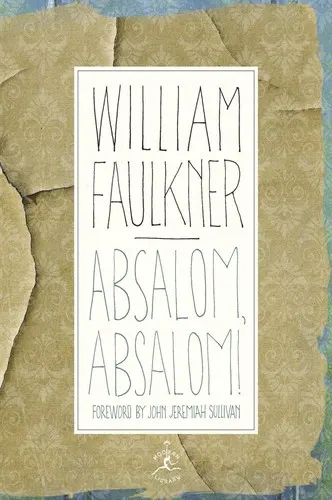
Like Wuthering Heights, Faulkner’s masterpiece reaches us through overlapping, fiercely partial narrators. A young man is summoned to hear the history of Thomas Sutpen, whose grand house and dynastic ambitions have become the stuff of local obsession. Every retelling changes the emotional weather; truth must be excavated from grievance, fascination, and conjecture.
Faulkner matches Brontë’s extremity: love and hatred seem almost indistinguishable, the past behaves like a living presence, and a family story acquires the force of myth. The prose is demanding but incantatory, built in great circling sentences that pull the reader ever deeper. Often considered one of Faulkner’s supreme achievements, it offers the rare exhilaration of a novel that must be wrestled with—and that continues to rearrange itself in the mind afterward.
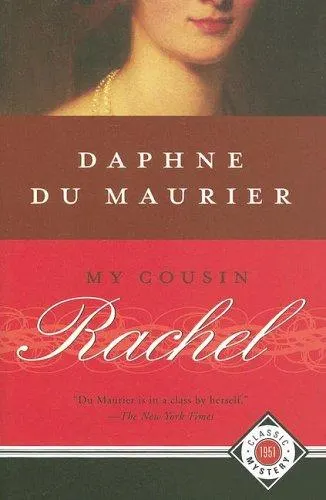
Du Maurier turns romantic obsession into an exquisitely controlled trap. Philip Ashley has grown up devoted to his older cousin Ambrose; when Ambrose marries the mysterious Rachel abroad and then dies, Philip prepares to hate the widow before he has even met her. Her arrival unsettles every certainty he possesses.
The kinship with Wuthering Heights lies not merely in the brooding estate but in the dangerous instability of judgment. Is passion revealing the truth, or corrupting it? Philip’s voice makes suspicion, jealousy, desire, and self-deception impossible to separate, while Rachel remains vividly present yet tantalizingly unknowable. Du Maurier—author of Rebecca—was unrivalled at making atmosphere carry psychological menace. This novel’s ambiguity has kept generations of readers arguing, and its final unease is almost impossible to shake.
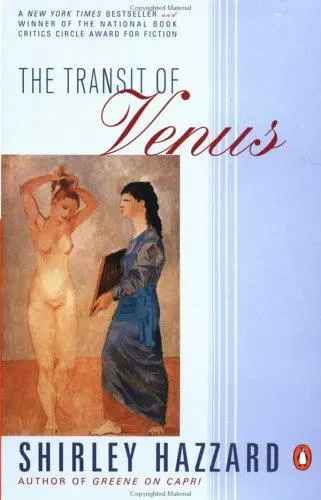
For the reader who loved Brontë’s conviction that certain attachments can govern an entire life, The Transit of Venus is indispensable. Australian sisters Caroline and Grace Bell arrive in postwar England, where love, class, intelligence, and chance begin shaping their futures. Hazzard’s world is more polished than Brontë’s, but beneath its elegance runs the same fatal voltage.
Her sentences are compressed, glittering, and mercilessly observant; a gesture or conversational cruelty can expose years of longing. The novel also shares Brontë’s structural daring: information is withheld, time folds back on itself, and early details acquire devastating significance. Winner of the National Book Critics Circle Award, it inspires unusual devotion partly because rereading reveals how flawlessly its emotional design was laid. Few novels make romantic destiny feel at once so intimate, so intelligent, and so inexorable.