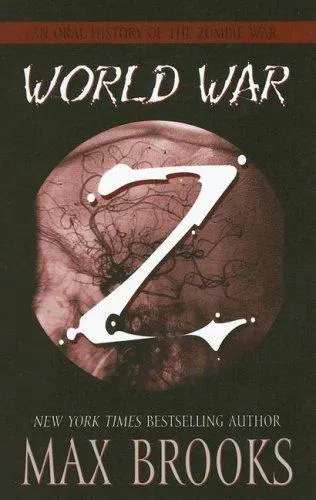
Books like World War Z
World War Z and Kim Stanley Robinson’s The Ministry for the Future make planetary catastrophe frighteningly credible by treating it as a tangle of testimony, policy, technology, and unintended consequences.
If you liked World War Z, you’ll love these
Not lookalikes — kindred books. Each one shares something essential with World War Z, and we tell you exactly what.
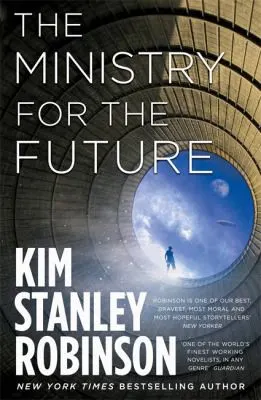
Robinson opens with a heatwave of almost unbearable immediacy, then widens the lens to show institutions, markets, activists, engineers, and ordinary people struggling over the climate emergency. Like Brooks, he understands that civilization is not saved—or lost—by one heroic protagonist but by countless decisions distributed across a complicated world.
The novel’s reports, meeting transcripts, anonymous voices, and technical digressions create the same addictive feeling of assembling a global history from fragments. Now a touchstone of contemporary climate fiction, it turns policy into suspense and makes large-scale change feel both brutally difficult and imaginable.
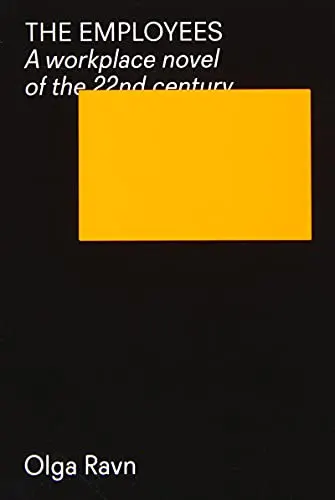
This compact, uncanny novel consists of statements collected from the human and humanoid crew of a spacecraft after mysterious objects are brought aboard. No omniscient narrator explains what is happening; meaning accumulates through interviews, evasions, contradictions, and voices that become increasingly difficult to classify.
Readers who loved discovering the world of World War Z through testimony will relish Ravn’s more enigmatic use of the same pleasure. Shortlisted for the International Booker Prize, The Employees is eerie, darkly funny, and emotionally disproportionate to its size: a workplace inquiry that gradually asks what labor, memory, embodiment, and longing have to do with being human.
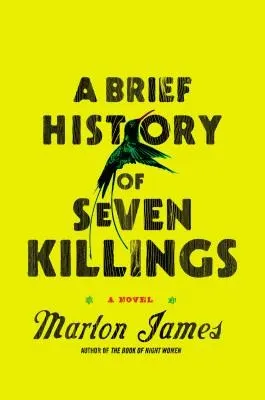
Marlon James turns political history into a teeming chorus. Beginning around the attempted assassination of Bob Marley, the novel passes the microphone among gunmen, politicians, CIA operatives, journalists, and people caught within systems of power they only partly understand. Each voice has its own rhythm, prejudices, omissions, and version of reality.
That polyphony is the deep kinship with Brooks: history emerges not as a clean official account but as the unstable sum of individual experiences. Yet James pushes the method into fiercer, more linguistically dazzling territory, showing how violence travels through neighborhoods, governments, and decades. The Booker Prize winner is demanding, profane, and monumental—the kind of novel whose world continues making noise after you close it.