
Books like White Nights
White Nights belongs to readers who know that a handful of evenings can outweigh whole years—readers susceptible to lonely talkers, sudden trust, comic self-deception, and happiness sharpened by its expiry date.
If you liked White Nights, you’ll love these
Not lookalikes — kindred books. Each one shares something essential with White Nights, and we tell you exactly what.
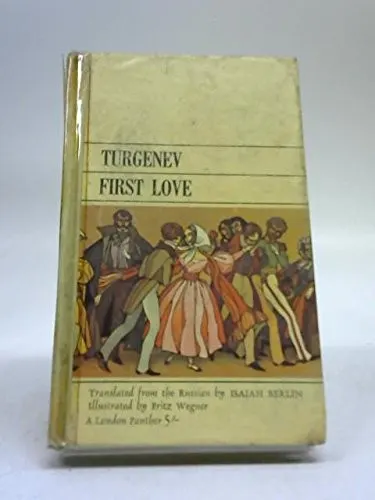
Sixteen-year-old Vladimir falls helplessly for the mercurial Zinaida, around whom a small court of admirers has gathered. Turgenev captures the same mixture Dostoyevsky does: the dreamer’s exaltation, the embarrassing theatricality of devotion, and the terrible sincerity beneath it.
Closely drawn from Turgenev’s adolescence, this short novel has the bruising authority of remembered experience. Its prose is clearer and cooler than Dostoyevsky’s, but that restraint makes every fluctuation in hope register. One of the classic anatomies of first desire, it understands that romantic awakening is also an awakening into bewilderment—and leaves an emotional afterimage far larger than its length.
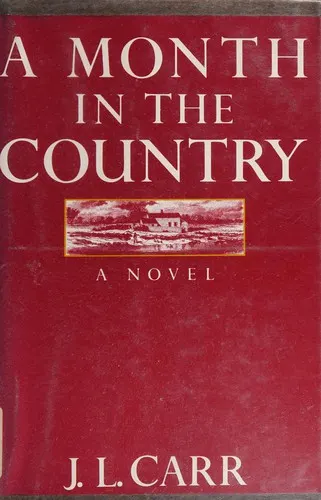
Tom Birkin, damaged by war and a failed marriage, arrives in a Yorkshire village to uncover a medieval painting hidden beneath whitewash. What follows is a season of work, companionship, and possibilities he scarcely knows how to receive.
Carr’s Booker-shortlisted, Guardian Fiction Prize-winning novel shares White Nights’ deepest structural magic: an older consciousness looks back on a brief interval when life seemed capable of becoming something else. Yet Carr never strains for poignancy. Sunlight, meals, silences, and tiny acts of kindness accumulate until the whole summer feels irretrievable. Few novels show so beautifully why temporary happiness can be permanent in memory.
Tsukiko lives alone and moves through Tokyo at a slight remove from other people. In a bar she encounters her former teacher; over sake, mushrooms, grilled fish, and repeated accidental meetings, a hesitant companionship takes shape.
A winner of Japan’s Tanizaki Prize, Kawakami’s novel turns pauses and rituals into emotional events. Like White Nights, it understands intimacy as something improvised by two solitary people who cannot quite speak directly about what they need. Its dry humor keeps the tenderness from becoming sentimental, while every shared dish acquires the suspense of a confession. This is a quietly bewitching book, beloved because it makes loneliness porous without pretending it is easily cured.