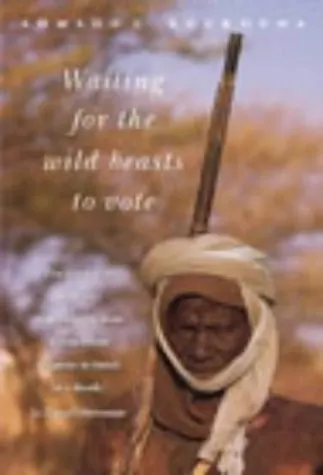
Books like Waiting for the Wild Beasts to Vote
Koyaga sits before the sora Bingo and his irreverent respondent Tiécoura, waiting to hear his bloody reign remade as a hunters’ chant. These three novels likewise turn history into audacious oral performance, comic spectacle, and judgment.
If you liked Waiting for the Wild Beasts to Vote, you’ll love these
Not lookalikes — kindred books. Each one shares something essential with Waiting for the Wild Beasts to Vote, and we tell you exactly what.
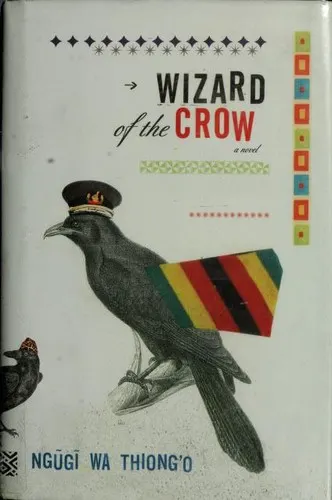
In the Free Republic of Aburĩria, plans are being laid for a tower so vast that its ruler can speak directly to God. From that opening absurdity, Ngũgĩ builds the same kind of political carnival Kourouma excels at: dictatorship sustained by flattery, magical thinking, official euphemism, and the terrified ingenuity of ordinary people.
Originally written in Gĩkũyũ, this monumental late masterpiece has the expansive ease of a story told aloud—full of rumors, competing versions, jokes that grow into myths, and myths that expose how power works. If Kourouma made you laugh without ever letting you forget the bodies beneath the comedy, Wizard of the Crow is indispensable.
Life and a Half begins with a tyrant attempting to destroy an opponent’s body, only to discover that physical power cannot guarantee narrative power. The scene establishes Sony Labou Tansi’s method: atrocity becomes grotesque farce, language mutinies against reality, and authoritarianism is made simultaneously terrifying and ridiculous.
This landmark of Francophone African fiction is shorter and more feverish than Kourouma’s novel. Where Kourouma constructs a ceremonial epic, Sony writes as though every sentence were being shouted against extinction. Its savage comedy and impossible resilience make it one of the few dictator novels capable of matching Kourouma’s imaginative ferocity.
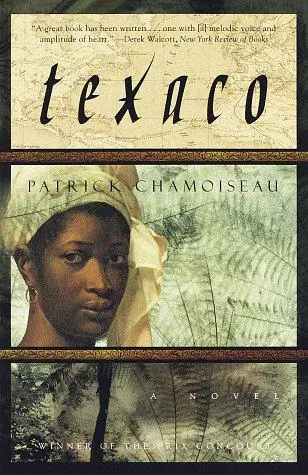
The kinship here lies not in dictators but in voice. An elderly Martinican woman begins telling an urban planner how her community came into being, while a self-described “word-scratcher” tries to preserve an oral history that refuses to behave like official prose. As in Kourouma, storytelling is not decoration: it is a rival archive, a court of appeal, and a weapon against imposed history.
Winner of the Prix Goncourt and a defining novel of Créolité, Texaco bends French around Creole memory, proverbs, interruptions, and communal speech. Readers enchanted by Bingo and Tiécoura’s performance will recognize the thrill of a novel making the written page answer to the living voice.