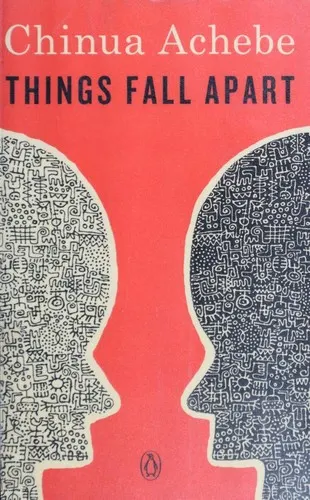
Books like Things Fall Apart
Things Fall Apart makes Okonkwo’s ruin feel at once brutally personal and inseparable from the breaking of a whole moral world; its great feat is to render that world from within, alive with argument, ritual, humor, and contradiction.
If you liked Things Fall Apart, you’ll love these
Not lookalikes — kindred books. Each one shares something essential with Things Fall Apart, and we tell you exactly what.
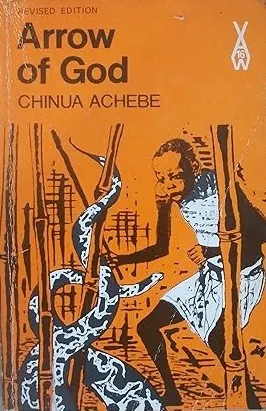
Achebe returns to the collision of Igbo authority and British rule, but makes the struggle even more politically intricate. Ezeulu, chief priest of Ulu, is as commanding and dangerously inflexible as Okonkwo, yet his power depends on interpreting—and sometimes trying to master—the will of a community that refuses to be mastered.
The novel’s tension comes from rival villages, divided loyalties, religious obligation, and colonial interference tightening around one formidable man. Often judged Achebe’s most accomplished novel, Arrow of God deepens everything Things Fall Apart does so memorably: tragedy without simple villains, tradition without sentimentality, and a society speaking in its own many voices.
Sembène’s classic begins with railway workers in colonial West Africa undertaking a strike, then expands into a great communal novel. Its power lies not merely in resistance to empire but in the way collective action changes ordinary people: families argue over hunger and dignity, old hierarchies lose their authority, and women emerge as some of the movement’s boldest strategists.
Where Things Fall Apart concentrates historical catastrophe through Okonkwo, Sembène distributes history across an unforgettable chorus. The result is earthy, angry, funny, and intensely humane—a foundational African novel whose crowded vitality makes political change feel intimate and lived rather than abstract.
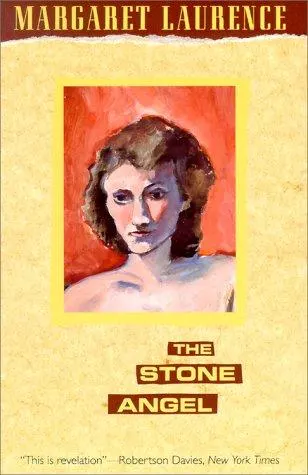
Hagar Shipley, the indomitable elderly narrator of The Stone Angel, shares Okonkwo’s fatal inability to separate strength from hardness. Looking back over her life on the Canadian prairie, she reveals how pride can preserve a person against humiliation while also starving every relationship that matters.
Laurence’s setting and voice are far removed from Achebe’s, which makes the kinship especially revealing: both novels refuse to excuse their protagonists, yet grant them such stature that judgment becomes inseparable from grief. A landmark of Canadian literature, The Stone Angel turns one difficult human being into a tragedy of biblical force. Readers haunted by Okonkwo tend to recognize Hagar immediately—and do not forget her.