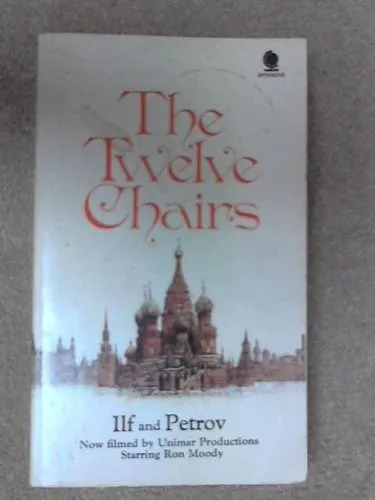
Books like The Twelve Chairs
Dead Souls is the great comic ancestor of Ilf and Petrov’s social panorama; The Golden Calf is its sharper, slightly darker continuation. The Good Soldier Švejk completes the trio by turning apparent foolishness into a weapon against institutional absurdity.
If you liked The Twelve Chairs, you’ll love these
Not lookalikes — kindred books. Each one shares something essential with The Twelve Chairs, and we tell you exactly what.
Ostap Bender returns with a new grand design: separating a clandestine millionaire from his fortune. He remains one of fiction’s most magnetic rogues—resourceful, theatrical, cheerfully amoral, and always several rhetorical steps ahead of everyone around him.
This is no mere reprise. The satire is broader and more melancholy, aimed at a society where official slogans, private appetites, and improvised scams coexist seamlessly. Ilf and Petrov send Ostap through offices, collectives, publicity stunts, and a ludicrous motor rally, giving each episode the precision of a perfectly told joke. Many Russian readers consider it the equal—or even the superior—of The Twelve Chairs, and its phrases became similarly embedded in everyday speech. Anyone reluctant to leave Ostap’s company is missing his most searching adventure by stopping after the first book.
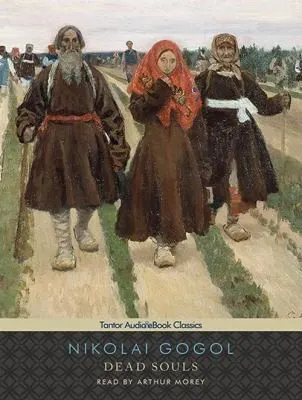
Chichikov travels through provincial Russia buying the legal identities of serfs who have died but remain on the tax rolls. The scheme matters less than the astonishing gallery of people it exposes: sentimental bores, volcanic liars, suspicious misers, gluttons, clerks, servants, and landowners whose personalities seem to infect their furniture and food.
A foundational influence on Russian satire, Gogol’s self-styled “poem” has the same exhilarating combination of a dubious entrepreneur, a journey through society, and a narrator who can pivot from mock grandeur to savage exactness in a sentence. Yet its comedy is stranger than straightforward farce: exuberant description keeps opening onto moral emptiness. Ilf and Petrov refined this tradition for the Soviet age; reading Gogol reveals the deep source of their grotesques—and introduces comic monsters no lover of the form should miss.
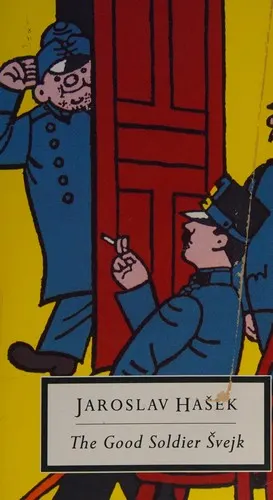
After an ill-judged remark, Josef Švejk is pulled into the Austro-Hungarian military machine. He answers every command with such literal obedience, inexhaustible reminiscence, and serene idiocy that no one can determine whether he is a fool, a genius, or a saboteur hiding in plain sight.
Hašek’s comedy accumulates through digressions: drunken chaplains, pompous officers, medical examinations, police interrogations, and stories that wander magnificently away from the point. Like The Twelve Chairs, it treats bureaucracy as a vast improvisational performance in which language is both the instrument of oppression and the surest means of escape. Švejk became an international archetype—the powerless man who defeats authority by obeying it too perfectly. The novel is unruly and unfinished, but its comic vitality is so immense that neatness would almost betray it.