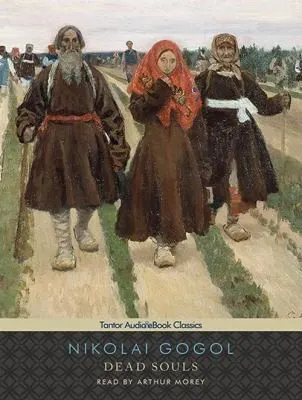
Books like Dead Souls
Paul Beatty’s Los Angeles is far from Gogol’s provincial Russia, but The Sellout runs on the same dangerous fuel: an outrageous scheme, a parade of social grotesques, and comedy that keeps exposing moral emptiness beneath respectable language. Alongside it, one brilliant Gogolian descendant and one metaphysical black comedy capture other essential pleasures of Dead Souls.
If you liked Dead Souls, you’ll love these
Not lookalikes — kindred books. Each one shares something essential with Dead Souls, and we tell you exactly what.
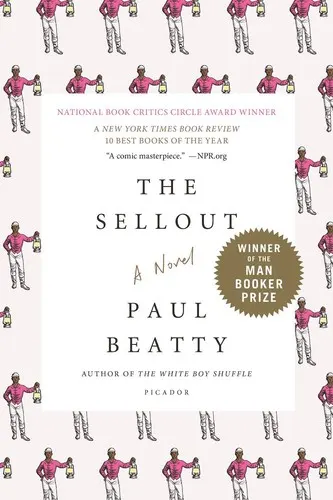
Beatty begins with his narrator before the US Supreme Court, then explains the preposterous civic experiment that brought him there. Like Gogol, he makes an indefensible enterprise the perfect vehicle for touring a society whose ordinary arrangements may be even more absurd.
The kinship lies especially in the prose: elastic, digressive, crammed with jokes that mutate into accusations before the laughter has subsided. Winner of the Booker Prize, The Sellout is among the rare contemporary satires audacious enough to make every comfortable position unstable. If Chichikov’s genial opportunism delighted and appalled you, Beatty’s comic recklessness is irresistible.
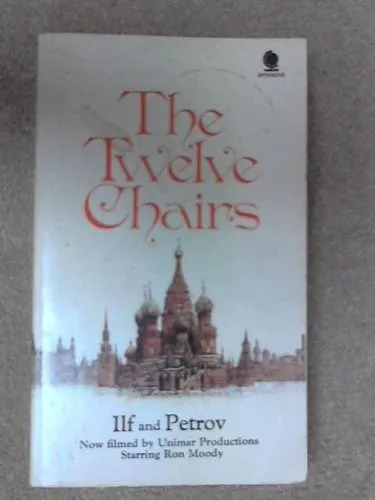
This Soviet comic classic offers perhaps Chichikov’s most charismatic literary relation: Ostap Bender, a magnificently resourceful confidence man who joins a hunt for jewels hidden in one of twelve dispersed chairs. The search provides an excuse to pass through offices, apartments, clubs and provincial towns, each populated by vanity, greed and bureaucratic nonsense.
Ilf and Petrov inherited Gogol’s gift for turning minor characters into immortal specimens with a gesture or a verbal tic. Yet Ostap is no imitation: his improvisations have such wit and buoyancy that generations of readers have quoted him almost as if he were a folk hero. To miss The Twelve Chairs is to miss one of the liveliest afterlives of Gogolian comedy.
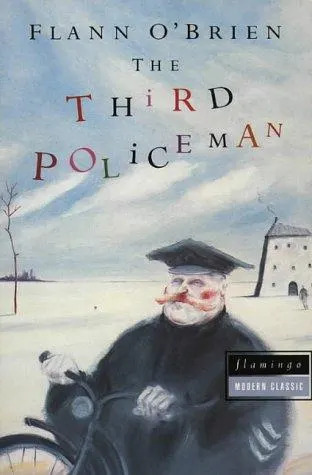
A nameless, morally compromised narrator enters an Irish countryside where policemen discourse solemnly about bicycles, measurements and theories that grow less reassuring the more precisely they are explained. Footnotes recount the scholarship of a demented philosopher, while the apparent rustic farce quietly acquires the pressure of a nightmare.
What links it to Dead Souls is the strange temperature of the laughter: ridiculous people and obsessive digressions open onto something spiritually terrifying. O’Brien’s logic is immaculate sentence by sentence and impossible as a whole, producing a world as concrete and unaccountable as Gogol’s. Rejected in his lifetime and published posthumously, The Third Policeman became a fiercely cherished cult masterpiece; once its machinery closes around you, few comic novels feel so haunting.