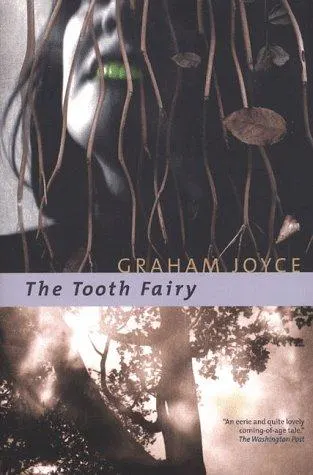
Books like The Tooth Fairy
You were drawn to Joyce’s collision of adolescent vulnerability, black comedy, sexual unease, and a supernatural presence that may be monster, metaphor, or both. These three novels make growing up feel similarly dangerous and uncanny.
If you liked The Tooth Fairy, you’ll love these
Not lookalikes — kindred books. Each one shares something essential with The Tooth Fairy, and we tell you exactly what.
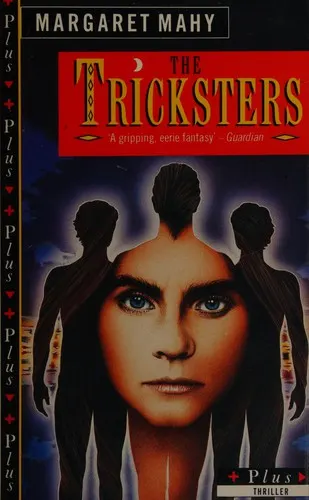
At a family’s seaside holiday house, seventeen-year-old Harry encounters three mysterious brothers whose arrival disturbs both her desires and the stories her family tells about itself. Mahy treats the supernatural not as decoration but as an eruption of buried emotion: fantasy, sexuality, resentment, and imagination become impossible to separate.
Like Joyce, she respects adolescence as a state of frightening perceptiveness rather than innocence. Her prose can move from playful to predatory in a sentence, while Harry remains vivid, intelligent, and painfully exposed. Mahy was one of the rare writers to win the Carnegie Medal twice; The Tricksters shows why her most devoted readers regard her fiction as literature without qualification.
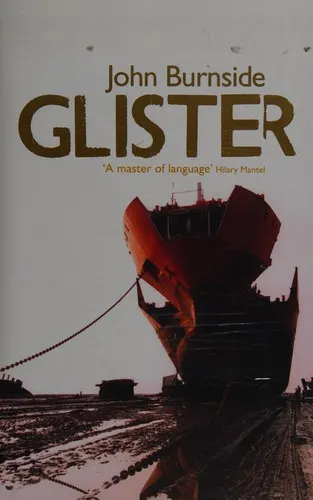
In poisoned, decaying Innertown, adolescent boys have been disappearing, while the adults accept evasions that Leonard, a fiercely observant teenager, cannot. What begins as social rot gradually acquires the pressure of myth or nightmare.
Burnside shares Joyce’s gift for making the uncanny grow organically from an exact account of youth: boredom, cruelty, bravado, sexual curiosity, and the suspicion that adults have surrendered to something terrible. His poet’s prose gives derelict woods and contaminated ground a malign consciousness without resolving whether the evil is supernatural or merely human. Bleaker than The Tooth Fairy, it has the same unnerving conviction that growing up means learning what your world has been hiding.
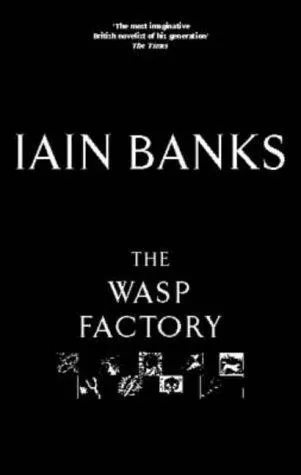
Sixteen-year-old Frank lives on an isolated Scottish island, maintaining private rituals, consulting homemade oracles, and recounting past acts of violence with appalling composure. When his older brother escapes from a psychiatric hospital and begins travelling home, Frank’s carefully ordered mythology comes under pressure.
There may be no literal fairy here, but Banks captures the same deeper horror: an adolescent building an occult system to master sex, family secrecy, humiliation, and fear. Frank’s voice is grotesque, funny, ingenious, and occasionally vulnerable, making disgust compete continually with sympathy. Banks’s audacious 1984 debut became a cult classic because its shocks are inseparable from its psychological design. If Joyce’s mixture of boyhood comedy and intimate menace exhilarated you, avoiding this would mean missing one of its fiercest literary cousins.