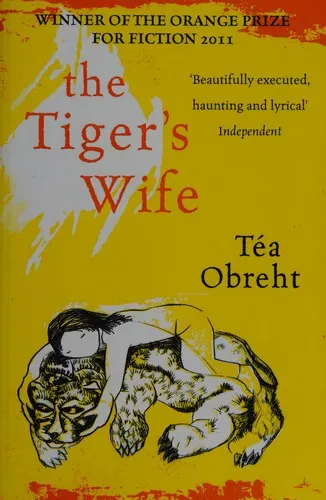
Books like The Tiger's Wife
Readers drawn to The Tiger’s Wife tend to want fiction in which folklore is not an escape from history but a way of touching its deepest wounds—books where the dead remain near, family stories mutate in the telling, and beauty never softens the truth of violence.
If you liked The Tiger's Wife, you’ll love these
Not lookalikes — kindred books. Each one shares something essential with The Tiger's Wife, and we tell you exactly what.
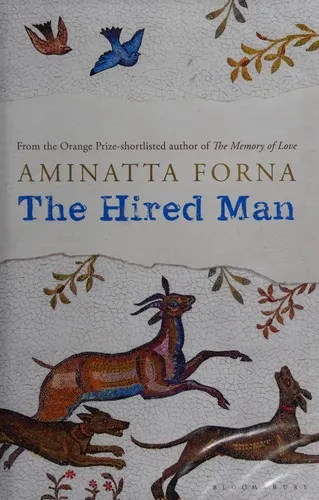
An English family arrives to restore an old house in a Croatian village, hiring local handyman Duro Kolak to help. Duro’s calm, watchful narration gradually reveals that renovation is also excavation: every room, neighborly courtesy, and patch of disturbed ground presses against memories the village would rather leave buried.
Forna shares Obreht’s extraordinary patience with communal silence. Neither writer treats war as spectacle; what matters is its afterlife in habits, grudges, euphemisms, and apparently harmless stories. The prose is controlled and lucid, making the menace beneath ordinary summer days almost unbearable. This is one of those quietly devastating novels whose final force comes from how carefully it has taught you to notice what no one will say.
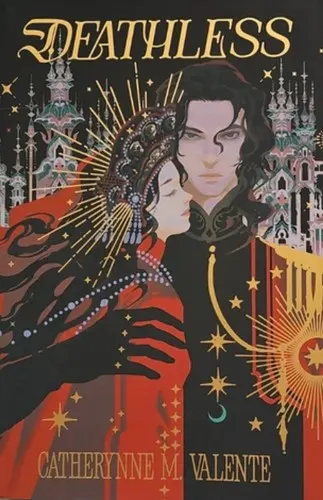
Valente takes the Russian folktale of Koschei the Deathless and lets it grow through revolution, famine, war, and the life of Marya Morevna, a girl who sees the magical transformations hidden inside everyday history. The result is lush, strange, witty, and increasingly harrowing—a love story in which appetite, power, mortality, and storytelling are inseparable.
Where The Tiger’s Wife makes legendary figures feel like family memories, Deathless makes political history behave like a dark household tale: cities become enchanted realms, bureaucracies invade fairyland, and repeated stories change meaning as their teller changes. Valente’s incantatory language has earned the novel a fiercely devoted readership. Its images lodge in the mind like inherited myths; skipping it means missing one of modern fantasy’s boldest demonstrations that folklore can tell historical truth more sharply than realism.
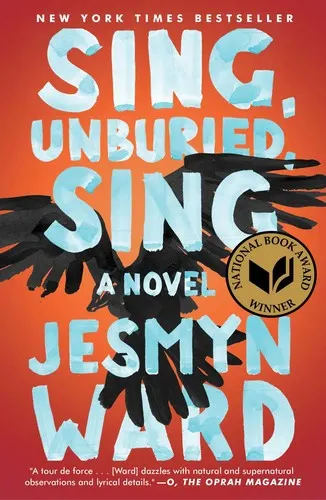
On his thirteenth birthday, Jojo travels across Mississippi with his troubled mother, Leonie, to collect his father from prison. Jojo is already learning to read what adults conceal, while Leonie is haunted—emotionally and literally—by losses she cannot master.
Ward offers the same intimate traffic between the living and the dead that gives Obreht’s novel its ache. Ghosts are not decorative supernatural intrusions; they embody unfinished history, family damage, and the stories one generation forces the next to carry. Ward’s polyphonic prose can be tender, brutal, and eerily musical, especially in Jojo’s clear-eyed voice. The novel won Ward her second National Book Award for Fiction, making her the first woman to achieve that distinction, but its real authority lies in how completely it turns one family’s journey into a reckoning with love, inheritance, and the unburied past.