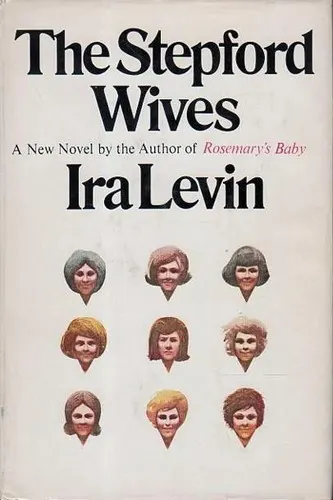
Books like The Stepford Wives
Begin with Leonora Carrington’s wildly surreal The Hearing Trumpet. Its anarchic comedy seems far removed from Levin’s immaculate suburbia, yet both novels recognize that patriarchal control is most frightening when presented as care, good sense, and social order.
If you liked The Stepford Wives, you’ll love these
Not lookalikes — kindred books. Each one shares something essential with The Stepford Wives, and we tell you exactly what.
Ninety-two-year-old Marian Leatherby is dispatched to an institution whose bizarre rules and benevolent language conceal a scheme for managing inconvenient women. Carrington trades Levin’s polished restraint for occult exuberance, but her target is strikingly similar: systems that call women irrational while demanding their obedience.
This cult classic is the liberating counterspell to The Stepford Wives. Where Levin tightens the trap with every page, Carrington lets female unruliness explode through it—funny, furious, and gloriously impossible to domesticate.
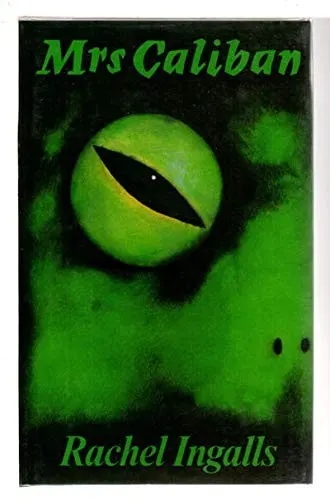
Dorothy is disappearing inside a respectable suburban marriage when reports emerge of an escaped amphibious creature. What follows blends domestic realism, pulp fantasy, deadpan humor, and genuine tenderness with such ease that the impossible soon feels more truthful than Dorothy’s supposedly normal life.
Long cherished as a cult novel, Mrs. Caliban reverses Levin’s central nightmare: instead of asking how a woman can be made less human to suit domestic life, it asks whether the alleged monster may possess more humanity than the husband, neighbors, and routines surrounding her. It is short, strange, emotionally piercing, and nearly perfect in its control of tone.
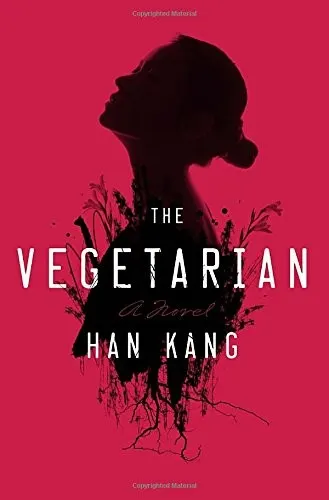
After disturbing dreams, Yeong-hye stops eating meat. Her decision is quiet and personal; her family responds as though she has committed an intolerable act of rebellion. Told through the eyes of people who presume the right to interpret, discipline, or possess her, the novel shows how quickly concern becomes coercion when a woman refuses her assigned role.
Like Levin, Han turns social expectations into body horror without blunting the satire or the dread. The International Booker Prize–winning novel is more dreamlike and devastating than The Stepford Wives, but it shares its ruthless understanding that enforced femininity is a form of violence. Its images are difficult to shake because its central refusal feels at once mysterious and utterly clear.