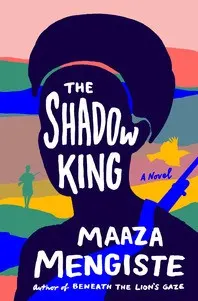
Books like The Shadow King
Antebellum Virginia may seem a long way from Mengiste’s Ethiopia, but The Known World offers the closest match for her astonishing narrative freedom: history becomes a chorus, and people omitted from official records reclaim the center. The other two choices intensify different elements of The Shadow King—its witnessing of atrocity and its ferocious vision of women resisting the roles history assigns them.
If you liked The Shadow King, you’ll love these
Not lookalikes — kindred books. Each one shares something essential with The Shadow King, and we tell you exactly what.
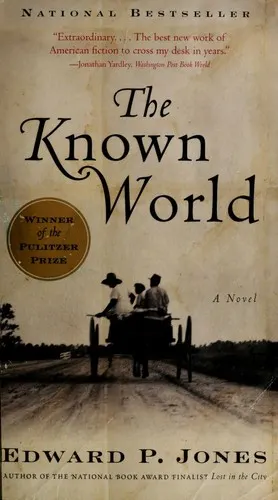
Jones’s Pulitzer Prize–winning novel begins with the death of a Black slaveholder and expands into a whole community whose moral arrangements resist every easy category. Like Mengiste, Jones can pause over an apparently minor figure and disclose an entire life; he moves across time with such authority that history feels less like a sequence than a multitude speaking at once.
What makes the kinship profound is the novel’s refusal to turn the oppressed into symbols of innocence or the powerful into simple monsters. Its compassion is vast but never sentimental, and its formal daring is almost invisible beneath its storytelling. Readers who loved the choral sweep and ethical complexity of The Shadow King should consider this indispensable.
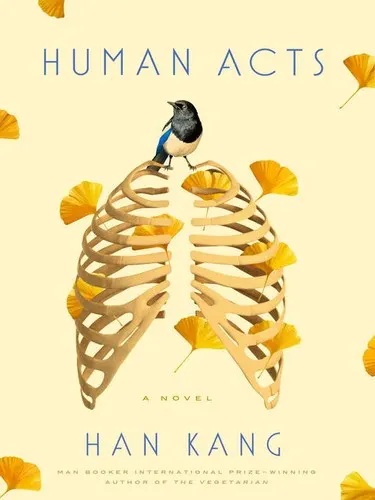
A boy searches for his friend amid the bodies left by the 1980 Gwangju uprising; from there, Nobel laureate Han Kang builds a sequence of voices shaped by one eruption of state violence. The novel is brief, but its emotional and historical reach is immense.
As in The Shadow King, the dead are not safely past, bodies become contested evidence, and narration itself is an act of resistance against erasure. Han’s prose—translated by Deborah Smith—is lucid, intimate, and almost unbearably attentive. Human Acts does not aestheticize suffering; it asks what witnessing costs and why remembrance remains a duty. Few novels make silence feel so politically charged.
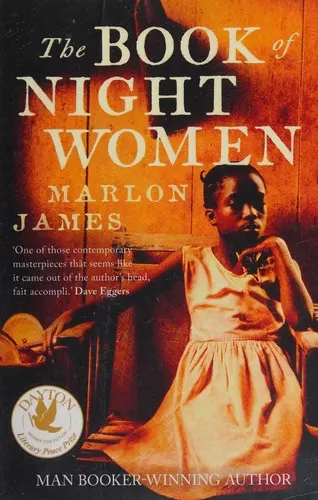
Lilith is born into slavery on a Jamaican sugar plantation, and from its first pages Marlon James gives her world a language of extraordinary force: profane, musical, violent, funny, and alive. Around her stand women whom history would reduce to victims, but James grants them strategy, desire, cruelty, rivalry, and dangerous imaginative power.
A National Book Critics Circle Award finalist, this is the novel in which James’s formidable voice first reached full intensity. Its deepest affinity with Mengiste lies in its unsanitized female heroism: resistance does not confer purity, and survival leaves no one untouched. The language alone is worth encountering, but the women who speak through it are unforgettable.