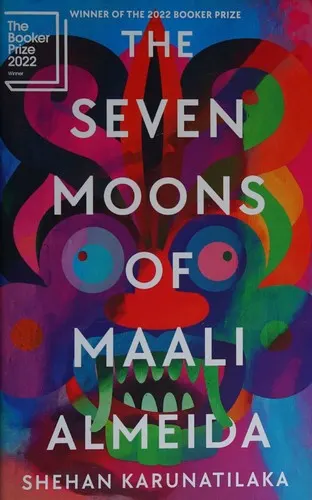
Books like The Seven Moons of Maali Almeida
You’ll want novels that meet horror with irreverence: books where the dead speak, history fractures into competing stories, and comedy becomes a weapon against political brutality.
If you liked The Seven Moons of Maali Almeida, you’ll love these
Not lookalikes — kindred books. Each one shares something essential with The Seven Moons of Maali Almeida, and we tell you exactly what.
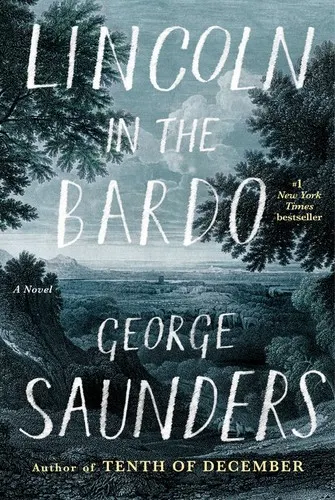
Like Karunatilaka, Saunders turns the afterlife into a clamorous social world governed by denial, desire, and absurd rules. A chorus of ghosts surrounds Abraham Lincoln’s dead son, each voice funny, wounded, self-deceiving, and insistently alive.
Winner of the Booker Prize, this formally daring novel earns its experiments through emotional force. If you loved how Maali’s supernatural predicament could be simultaneously farcical and devastating, Saunders offers that same rare fusion—then builds from it an unforgettable meditation on grief and our frantic refusal to let go.
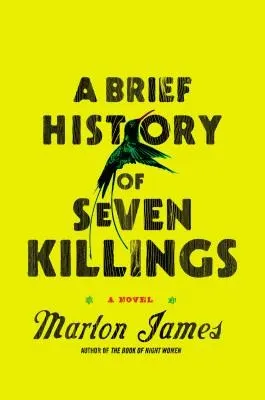
Marlon James gives political violence not one authoritative narrator but a volatile crowd: gunmen, politicians, intelligence operatives, journalists, witnesses—and even a ghost. Their voices collide around the attempted assassination of Bob Marley, creating a history shaped by rumor, fear, self-interest, and what official accounts leave out.
This Booker-winning novel shares Karunatilaka’s appetite for moral mess, propulsive storytelling, and blistering vernacular. It is larger, harsher, and more demanding, but its polyphony makes history feel dangerously alive. Readers who admired Maali Almeida as both compromised participant and furious witness should not miss James’s monumental chorus.
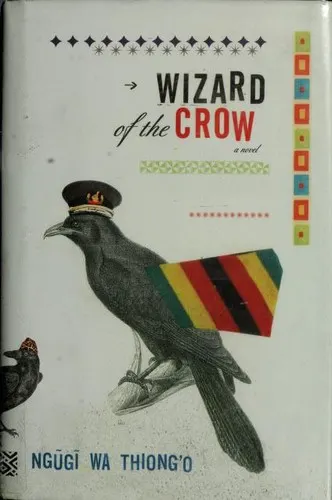
In the fictional African dictatorship of Aburĩria, a ruler plans an impossibly grand monument while ministers compete in grotesque displays of loyalty and ordinary people discover that rumor, performance, and supposed magic can unsettle power. Ngũgĩ’s satire keeps escalating until tyranny looks both ridiculous and terrifying—which is precisely the point.
Often regarded as one of Ngũgĩ’s major achievements, Wizard of the Crow has the exuberance of oral storytelling, the bite of a political cartoon, and the scale of an epic. Its kinship with Seven Moons lies in its deepest conviction: when reality has been deformed by propaganda and violence, the fantastical may be the most truthful language available. It is a huge novel, but also a feast.