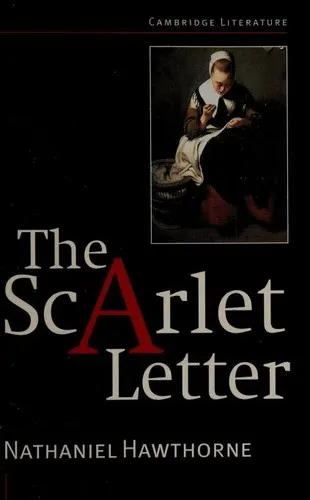
Books like The Scarlet Letter
The scarlet letter burns so brightly because Hawthorne makes it three things at once: a punishment imposed by society, an emblem Hester remakes through conduct, and a mirror in which every observer reveals a private moral failure.
If you liked The Scarlet Letter, you’ll love these
Not lookalikes — kindred books. Each one shares something essential with The Scarlet Letter, and we tell you exactly what.

Morrison, like Hawthorne, places an unconventional woman before the judgment of an entire community—and then makes the community’s certainty look dangerously simple. Sula Peace refuses the roles available to her, while the people of the Bottom turn her into a symbol that helps them define their own goodness.
Morrison’s celebrated second novel has Hawthorne’s symbolic intensity but a fiercer, more intimate understanding of female friendship. Its imagery feels elemental; its moral meanings keep changing according to who is looking. Short, concentrated, and inexhaustibly debatable, Sula offers the same disturbing pleasure as The Scarlet Letter: watching a supposed sinner expose the hidden needs of the righteous.
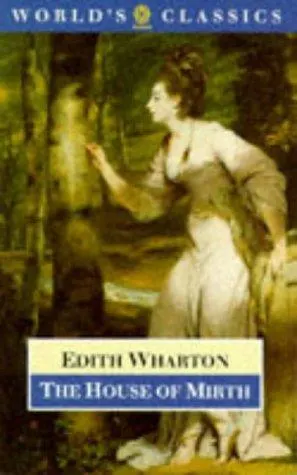
Wharton replaces the scaffold with drawing rooms, dinner tables, and whispered exclusions, but she understands just as acutely how a society manufactures disgrace. Lily Bart is intelligent enough to perceive the rules governing wealthy New York and constrained enough to discover that perception does not equal freedom.
What makes this one of Wharton’s defining novels is the merciless precision with which every invitation, debt, glance, and rumor acquires moral weight. A lover of Hawthorne will recognize the terrible imbalance between public reputation and inward truth, as well as the special punishment reserved for women who cannot—or will not—perform virtue correctly. Wharton’s wit makes the world seductive before its cruelty becomes unmistakable.
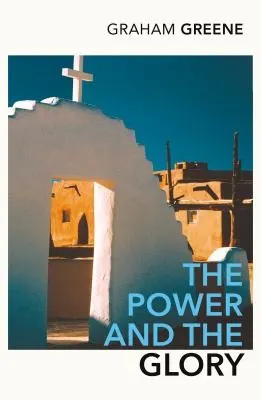
Greene’s fugitive priest is compromised, frightened, and painfully conscious of his sins; nevertheless, in an anti-clerical Mexican state, he may be the only source of grace still available. From that contradiction Greene builds a theological drama in which guilt can corrupt a person, deepen compassion, or do both at once.
Widely regarded as one of Greene’s masterpieces and winner of the Hawthornden Prize, the novel shares Hawthorne’s refusal to separate sinner neatly from saint. Its harsh landscapes and recurring objects carry symbolic force without reducing the characters to allegory. If Dimmesdale’s secret guilt and Hawthorne’s moral ambiguity were central to your love of The Scarlet Letter, this lean, suspenseful novel is indispensable.