
Books like The Prisoner of Zenda
The real spell of The Prisoner of Zenda is the speed with which playacting hardens into honor—and honor makes the happiest possible adventure hurt.
If you liked The Prisoner of Zenda, you’ll love these
Not lookalikes — kindred books. Each one shares something essential with The Prisoner of Zenda, and we tell you exactly what.
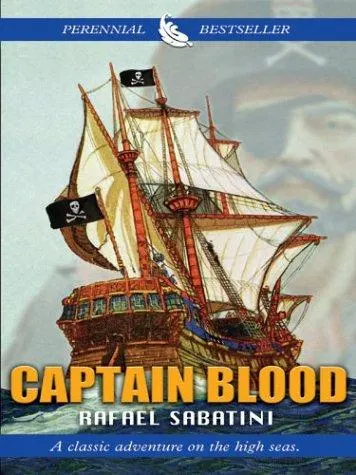
Sabatini offers the same exhilarating combination of speed, elegance, danger, and an hero whose composure is almost a weapon. Peter Blood begins as a physician unjustly condemned, then meets every reversal with intelligence, irony, and an unshakable private code.
Like Rudolf Rassendyll, Blood is compelling because he can improvise brilliantly without becoming morally weightless. The action races, the dialogue flashes, and the romance depends on admiration as much as attraction. This enduring Sabatini favorite helped define the modern swashbuckler; if you want another adventure in which gallantry is tested rather than merely displayed, it is indispensable.
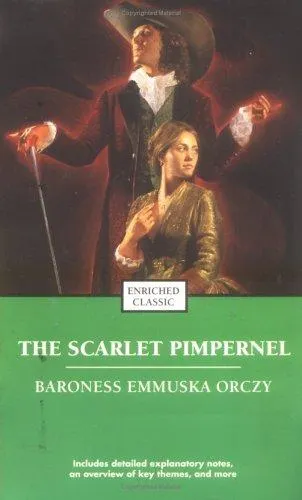
Here the great pleasure is performance. Sir Percy Blakeney appears to be an exquisitely dressed fool, while a daring rescuer repeatedly humiliates the agents of revolutionary France. The reader is invited to watch courage hide behind comedy and identity become an intricate game.
What connects it to Zenda is not simply disguise or rescue, but the intoxicating tension between a public role and a secret, honorable self. The marriage at its center gives every deception emotional cost. Orczy’s hero became the prototype for generations of masked saviors, but the novel itself remains more romantic, playful, and breathlessly readable than its influence might suggest.
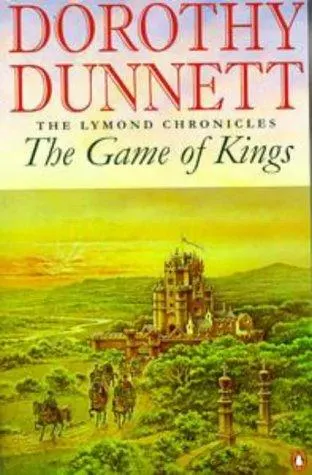
For a reader who especially loved Rupert of Hentzau’s dangerous charm, Rudolf’s quick intelligence, and the continual duel of wits beneath the swordplay, Dorothy Dunnett is the richer, fiercer next step. Her opening introduces Francis Crawford of Lymond as an outlaw returning to Scotland with apparently outrageous intentions; from there, every conversation can conceal a feint and every spectacle can be part of a strategy.
Dunnett demands closer attention than Hope, but rewards it magnificently. Lymond is one of historical fiction’s great charismatic enigmas—witty, theatrical, reckless, and difficult to judge—and the political intrigue has the precision of a chess problem played at full gallop. This first volume of the six-book Lymond Chronicles has inspired unusually devoted readers because its brilliance keeps revealing itself long after the final page.