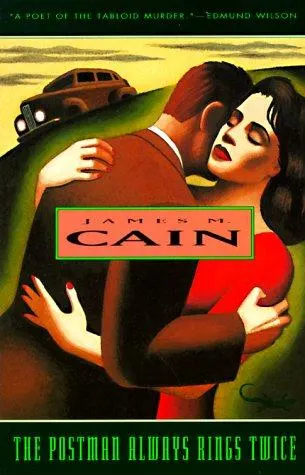
Books like The Postman Always Rings Twice
Hot wants, cold facts, and the sickening sense that every hurried choice is tightening the trap: these three novels preserve Cain’s ruthless momentum while finding distinct forms of beauty in desperation.
If you liked The Postman Always Rings Twice, you’ll love these
Not lookalikes — kindred books. Each one shares something essential with The Postman Always Rings Twice, and we tell you exactly what.
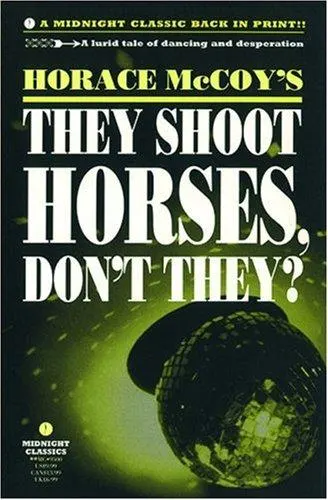
McCoy shares Cain’s gift for stripping desperation down to hard, lucid sentences. At a Depression-era dance marathon, exhausted contestants keep moving for the chance of prize money while promoters turn their suffering into entertainment. Like Cain, McCoy makes bodily need—hunger, fatigue, desire—the engine of tragedy.
The novel reveals its fatal destination almost immediately, yet becomes more suspenseful with every page: the question is not what happened but how hope was methodically crushed into inevitability. Short, savage, and hugely influential, it is one of the defining novels of Depression-era America. Anyone who admires the merciless compression of The Postman Always Rings Twice should experience McCoy’s equally lean masterpiece.
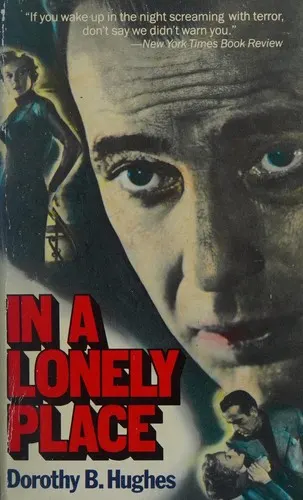
Hughes takes noir’s intimate first-person menace and quietly turns it against the assumptions of the genre. Dix Steele, a former wartime pilot living in Los Angeles, moves through restaurants, apartments, and foggy streets with the confidence of a man who believes the city belongs to him. Hughes keeps the reader unnervingly close to his appetites and resentments while the women around him emerge as sharper observers than he imagines.
The kinship with Cain lies in the charged proximity between desire and violence, but Hughes offers a subtler, more psychologically invasive experience. Long regarded by crime writers and critics as a landmark of noir, the novel has only grown in stature because its understanding of entitlement, fear, and self-deception still feels modern. Its tension enters almost imperceptibly, then refuses to let go.
Harry Jordan is a failed artist drinking away his days when he meets Helen, who is doing much the same. Their connection is immediate, abrasive, needy, and unexpectedly tender. Willeford understands, as Cain did, that ruin rarely feels grand while it is happening: it feels like another drink, another compromise, another morning when leaving seems harder than staying.
Pick-Up replaces Cain’s feverish sexuality with bruised companionship and mordant humor, but it has the same refusal to sentimentalize damaged people. Willeford later became a revered cult figure of American crime fiction, and this early novel shows why: the prose is plainspoken, the despair exact, and the emotional ambush devastating. It is a small, fierce book whose final effect is wildly disproportionate to its length.