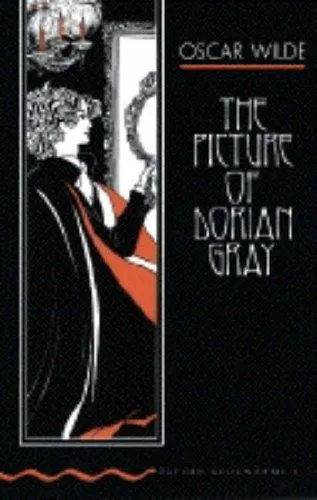
Books like The Picture of Dorian Gray
Dorian Gray’s nastiest trick is not hiding corruption behind beauty; it is making beauty so eloquent that corruption begins to sound like intelligence.
If you liked The Picture of Dorian Gray, you’ll love these
Not lookalikes — kindred books. Each one shares something essential with The Picture of Dorian Gray, and we tell you exactly what.
This decadent masterpiece is the strongest real-world candidate for the “poisonous” yellow book that captivates Dorian. Its aristocratic recluse, Des Esseintes, turns his life into an experiment in artificial sensation—perfumes, jewels, flowers, paintings and exquisitely perverse literature—until taste itself becomes a kind of sickness.
Huysmans offers little conventional plot; the drama lies in watching aesthetic refinement consume the person it was meant to liberate. The novel became a bible of fin-de-siècle decadence and helps reveal the dangerous literary tradition behind Wilde’s glittering epigrams. Anyone haunted by Dorian’s worship of sensation should read the book that seems to have whispered in his ear.
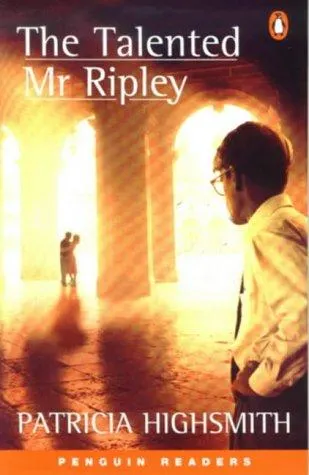
Highsmith shares Wilde’s unnerving talent for making an amoral young man’s desires feel lucid, intimate and almost reasonable. Tom Ripley is acutely sensitive to clothes, houses, manners and the effortless grace of wealth; he does not merely covet a beautiful life but begins treating identity as something that can be composed like a work of art.
The suspense comes with an uncomfortable pleasure: Highsmith draws the reader so close to Tom’s improvising mind that ingenuity repeatedly threatens to eclipse judgment. The novel inaugurated one of crime fiction’s most enduring antiheroes, yet its deepest kinship with Dorian Gray is psychological—it understands self-invention as both seduction and horror.
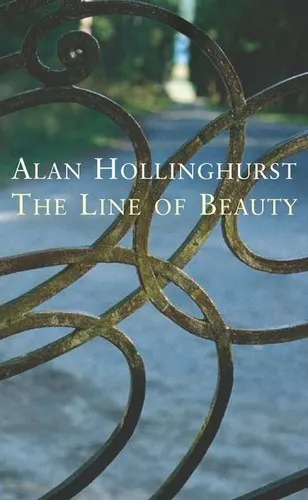
Hollinghurst takes Wilde’s preoccupation with beauty, social performance and concealed appetite into the moneyed Britain of the 1980s. Nick Guest enters an influential family’s household as both intimate and outsider, enthralled by elegant rooms, powerful people and the forms of beauty that seem to promise admission to another life.
The prose is sensuous and exact, while the comedy of manners gradually exposes the bargains beneath privilege and good taste. Winner of the Booker Prize, the novel is admired not simply for its social panorama but for the precision with which it shows aesthetic enchantment clouding moral vision. It gives Wilde’s beautiful surfaces room to expand into an entire society—and then tests what they can conceal.