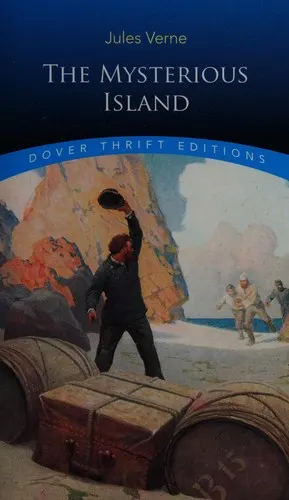
Books like The Mysterious Island
The ideal Verne reader thrills to intelligence made tangible: a forge built from scraps, a community organized from nothing, and each scientific solution opening onto a larger mystery. These three novels preserve that union of ingenuity, suspense, and faith in cooperation.
If you liked The Mysterious Island, you’ll love these
Not lookalikes — kindred books. Each one shares something essential with The Mysterious Island, and we tell you exactly what.

No modern novel better reproduces Verne’s pleasure in watching knowledge become survival. Stranded on Mars, Mark Watney treats catastrophe as a succession of solvable problems involving botany, chemistry, mechanics, and brutally limited supplies. Weir makes calculations and improvised repairs as tense as action scenes—and surprisingly funny.
Like Cyrus Smith’s achievements, Watney’s victories feel earned because the materials, failures, and reasoning remain visible. Yet this is also a story about civilization refusing to abandon one of its members. A publishing phenomenon praised for its technical plausibility, The Martian is the rare bestseller whose irresistible hero is applied intelligence itself.
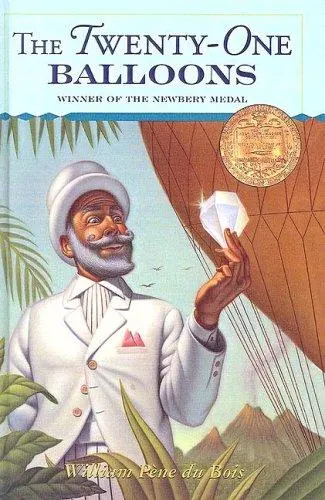
This Newbery Medal winner shares Verne’s sheer delight in elaborate contraptions. When retired mathematics teacher Professor Sherman sets out over the Pacific in a balloon, his journey leads toward an astonishingly engineered way of life, revealed through diagrams, ingenious domestic systems, and inventions that are both absurd and meticulously considered.
Du Bois writes with a light, storybook elegance, but the imaginative architecture is serious: every convenience prompts the delicious question, “How would that work?” Readers who lingered happily over the making of Granite House will find the same cabinet-of-wonders pleasure here. Few books make invention feel so festive.
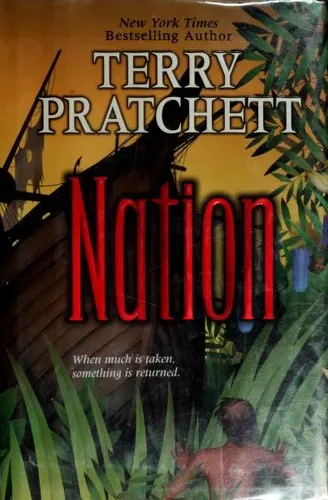
A disaster leaves Mau facing the task that most excites The Mysterious Island: not merely staying alive, but rebuilding a functioning human world. As survivors gather, practical necessities—food, shelter, medicine, social order—become inseparable from harder questions about custom, authority, grief, and what a civilization is for.
Pratchett’s wit never diminishes the danger or sorrow. Instead, it illuminates the audacity of rational thought and the moral force of people choosing to help one another. A Printz Honor novel, Nation is among his most admired books, expansive enough to contain adventure, argument, tenderness, and wonder. It offers what Verne’s island ultimately offers: the exhilarating sight of fellowship turning desolation into possibility.