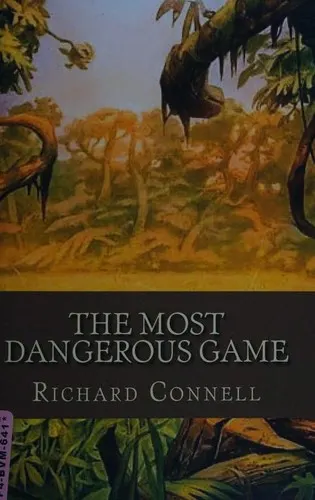
Books like The Most Dangerous Game
Rogue Male expands Connell’s lethal chase across a country; The Collector traps the same conflict between civilized manners and predatory entitlement inside a locked room. First Blood completes the trio by making hunter and hunted disturbingly interchangeable.
If you liked The Most Dangerous Game, you’ll love these
Not lookalikes — kindred books. Each one shares something essential with The Most Dangerous Game, and we tell you exactly what.
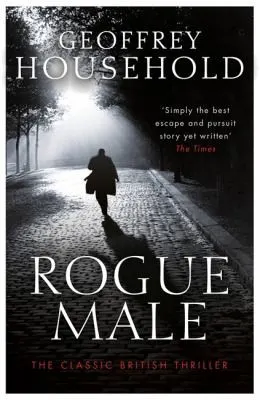
This is the closest match for Connell’s ruthless narrative efficiency. After an English sportsman takes aim at a European dictator, he becomes the quarry in a pursuit requiring patience, camouflage, improvisation, and an animal understanding of terrain.
Household gives the chase intellectual bite: his protagonist’s cultivated identity is steadily stripped away until survival depends on instinct. A landmark of the pursuit thriller—famously filmed by Fritz Lang as Man Hunt—it delivers the rare pleasure of watching an intelligent man solve mortal problems under merciless pressure.
Forget the later action-movie mythology. Morrell’s original novel is a lean, bruising duel between a drifting Vietnam veteran and a small-town police chief, told with enough sympathy for both men that every tactical victory deepens the tragedy.
Like Connell, Morrell understands that a hunt becomes most gripping when superiority keeps changing hands. Tracking, ambush, endurance, and terrain matter, but so do pride and self-deception. The novel that created Rambo is harsher, smarter, and more morally unstable than its cultural afterlife suggests; readers who know only the films have missed the real achievement.
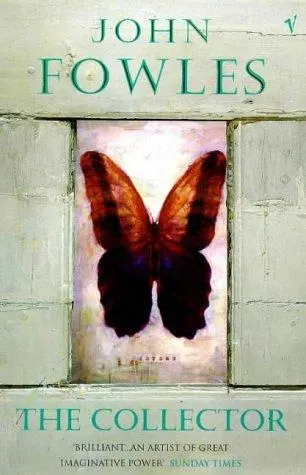
Connell’s most unsettling creation is not the island but General Zaroff: a polished man who turns another person into an object for his amusement. Fowles builds an entire novel around that civilized monstrosity. A lonely clerk who collects butterflies becomes fixated on an art student, describing his desires in a voice whose tidiness makes them more horrifying, not less.
Fowles’s celebrated debut replaces open-country pursuit with claustrophobic control and gives the captive a vivid consciousness of her own. The result is both psychological thriller and merciless study of possession—the ideal next book if Zaroff’s courteous self-justification chilled you more deeply than the chase itself.