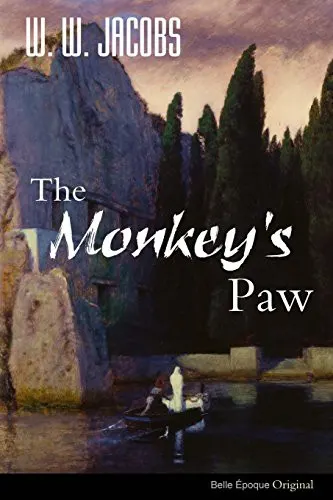
Books like The Monkey's Paw
What lingers is the terrible recognition that love can make catastrophe look like one more reasonable wish. These three novels likewise turn ordinary human longings into traps whose doors seem to close of their own accord.
If you liked The Monkey's Paw, you’ll love these
Not lookalikes — kindred books. Each one shares something essential with The Monkey's Paw, and we tell you exactly what.
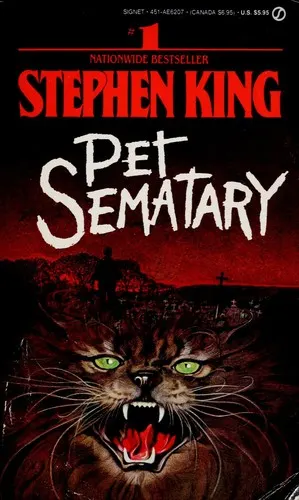
No novel more powerfully shares Jacobs’s insight that grief can overwhelm knowledge, caution, and even terror. When Louis Creed moves his family to rural Maine, a dangerous road and an old burial ground quietly establish the novel’s governing question: what would a loving person risk to undo loss?
King makes every dreadful step emotionally intelligible. Like Mr. White, Louis is not foolish so much as vulnerable to hope’s most poisonous form. King initially considered the book too disturbing to publish, and many readers still call it his most frightening novel—not because of its horrors alone, but because it makes the forbidden choice feel horribly tempting.
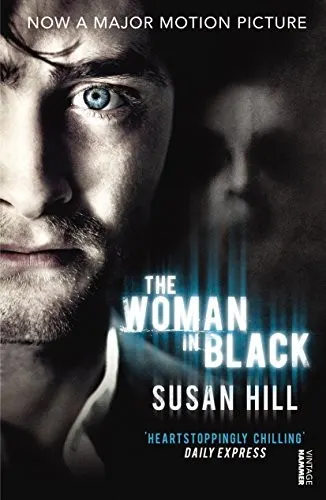
Susan Hill matches Jacobs’s precision: the plain language, the carefully rationed information, the homely world made intolerable by one supernatural intrusion. A young solicitor travels to an isolated house to settle a dead client’s affairs; from that modest errand, Hill constructs dread through empty rooms, half-heard sounds, and local people who refuse to explain what they fear.
This modern ghost-story classic never confuses noise with terror. Its famous stage adaptation became one of the West End’s longest-running plays because Hill’s central invention is so stark and durable—but the novel’s controlled narration is even more intimate, giving the sensation of hearing a traumatized man finally tell the story he has spent years suppressing.
Jacobs’s story is not only about fate; it is about money, status, and the dangerous wishes bred by a cramped domestic life. Sarah Waters expands that social unease into a magnificently patient haunting. In postwar England, Dr. Faraday becomes involved with the Ayres family, whose grand house is decaying around them as surely as their old position in society.
Shortlisted for the Booker Prize, the novel excels at making resentment, shame, and supernatural menace impossible to separate. Waters gives every cracked ceiling and awkward conversation psychological weight, while keeping the source of the disturbance tantalizingly uncertain. It is slower than Jacobs, but its final chill has the same retrospective force: once the pattern becomes visible, you want to return to the beginning and inspect every innocent detail.