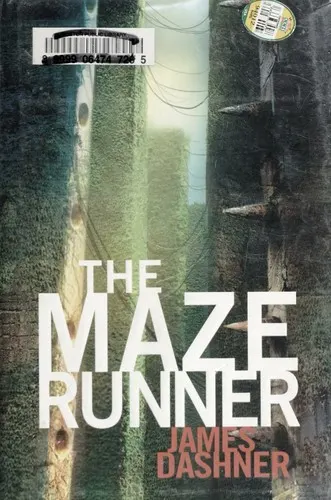
Books like The Maze Runner
The Maze Runner turns ignorance into terrain: every erased memory, shifting wall, and half-trusted ally becomes another obstacle Thomas must navigate at speed.
If you liked The Maze Runner, you’ll love these
Not lookalikes — kindred books. Each one shares something essential with The Maze Runner, and we tell you exactly what.
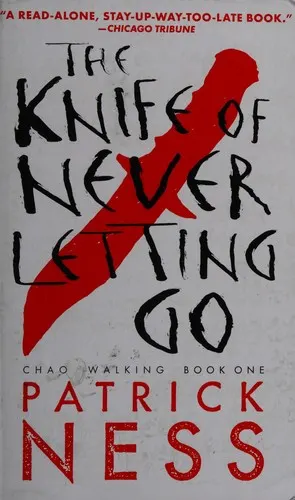
Todd lives in a town where everyone’s thoughts can be heard—yet the truth remains fiercely guarded. When he discovers an impossible pocket of silence, he is forced into a flight that rarely lets either him or the reader catch a breath.
Like Dashner, Ness combines relentless pursuit with controlled revelation: each answer changes the meaning of what came before. But this Guardian Children’s Fiction Prize winner also gives its danger unusual emotional force, testing loyalty, courage, and the kind of person fear can make you. Its cliff-edge momentum is formidable; its moral stakes make it unforgettable.
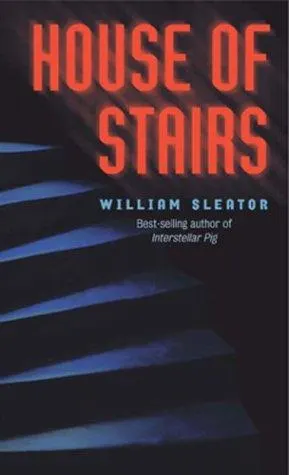
Five teenagers wake in a vast enclosure made almost entirely of white staircases, with no obvious exit and only a strange machine to provide food. Sleator strips the locked-room survival story to its essentials: disorientation, hunger, unstable alliances, and the suspicion that someone is studying every response.
Published decades before the modern dystopian-YA boom, this lean cult classic feels like one of the genre’s secret blueprints. Its puzzles are psychological rather than mechanical, and its compactness makes it brutally effective. Anyone fascinated by how the Gladers build rules—and what pressure does to those rules—should not miss it.
Connor learns that his parents have signed an order for him to be “unwound,” a legal process that dismantles troublesome teenagers while insisting they remain technically alive. He runs, and his path converges with two other young people whose reasons for fleeing are radically different.
Shusterman delivers the velocity, close escapes, and shifting loyalties that make The Maze Runner addictive, but anchors them in a horrifyingly plausible moral compromise. The novel became a defining work of YA dystopia because its premise keeps opening into harder questions rather than functioning as a mere gimmick. It is the sort of thriller readers tear through—and then argue about long afterward.