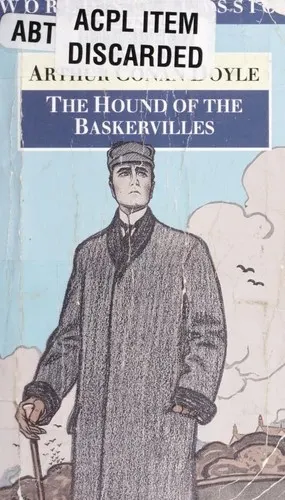
Books like The Hound of the Baskervilles
A visitor’s forgotten walking stick is enough for Holmes and Watson to conjure its owner before he appears. If you loved that mixture of inference, menace, companionship, and atmosphere, these three novels carry its deepest pleasures in strikingly different directions.
If you liked The Hound of the Baskervilles, you’ll love these
Not lookalikes — kindred books. Each one shares something essential with The Hound of the Baskervilles, and we tell you exactly what.
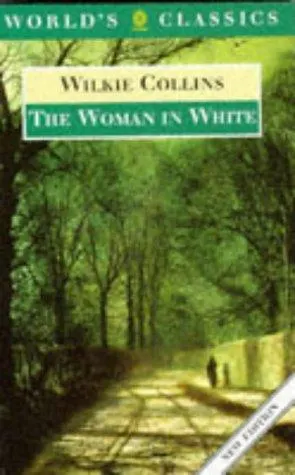
A moonlit encounter with a terrified woman dressed in white draws drawing-master Walter Hartright into the secrets of an English country house. Collins creates the same delicious uncertainty as Doyle: every apparently supernatural disturbance may conceal an all-too-human design, and rational inquiry becomes a defense against terror.
Told through testimony, letters, and diaries, the novel makes detection feel communal; each narrator holds one fragment of the truth, much as Watson records what only Holmes can assemble. Marian Halcombe, formidable and fiercely intelligent, is one of Victorian fiction’s great characters, while Count Fosco remains an irresistibly urbane villain. A sensation-fiction landmark that captivated its first readers, it still has the power to make several hundred pages disappear like a single dark evening.
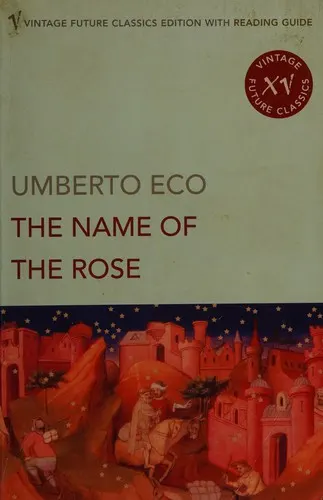
An elderly monk recalls arriving, as a novice, at an isolated medieval abbey with Brother William of Baskerville—whose name is only the first salute to Doyle. William reads footprints, gestures, and human vanity with distinctly Holmesian acuity, while his young companion Adso watches in admiring bewilderment. When the abbey becomes troubled by mysterious deaths, logic must contend with fear, dogma, and apocalyptic rumor.
Eco gives the Holmes–Watson partnership extraordinary philosophical weight without sacrificing suspense. The labyrinthine library and wintry abbey are not decorative scenery: they shape what can be known and who may know it. Winner of Italy’s Strega Prize and an unlikely worldwide bestseller, this is the rare intellectual novel whose arguments about truth are inseparable from the thrill of pursuing it.
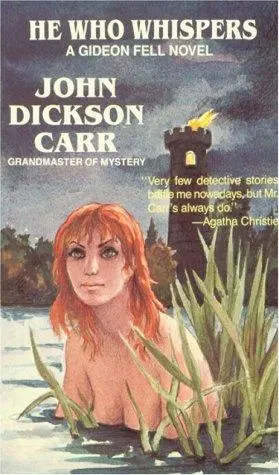
Carr begins with a small gathering expecting to hear the story of an impossible murder: a man was struck down atop a medieval tower, although no one could have approached him unseen. Then the account acquires a whisper of vampirism. Like the Baskerville legend, the supernatural explanation is seductive because the physical facts seem to demand it.
What follows is less a Gothic novel with a puzzle attached than a puzzle engineered to produce Gothic dread. Carr—revered by connoisseurs as the supreme master of the impossible crime—understood that an explanation should not merely cancel fear; it should reveal why the fear felt so convincing. Gideon Fell’s exuberant intelligence provides the Holmesian pleasure, but the novel’s lonely rooms, uncertain loyalties, and gathering unease make it one of Carr’s most haunting achievements.