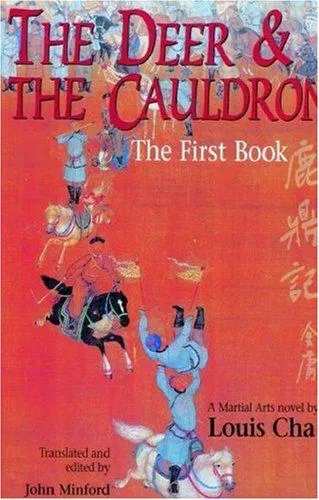
Books like The Deer and the Cauldron
If Wei Xiaobao’s shameless resourcefulness, divided loyalties, and talent for turning grand history into comedy delighted you, these three novels offer equally unruly pleasures.
If you liked The Deer and the Cauldron, you’ll love these
Not lookalikes — kindred books. Each one shares something essential with The Deer and the Cauldron, and we tell you exactly what.
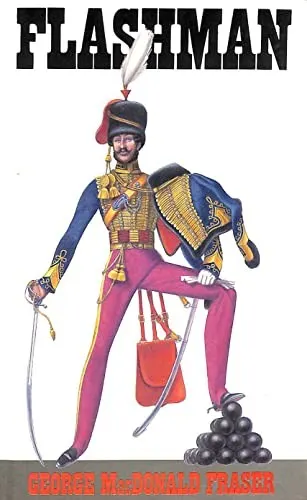
Harry Flashman is Wei Xiaobao’s nastier British cousin: a coward, liar, womanizer, and social climber who survives imperial catastrophe because everyone mistakes luck and bravado for heroism. Fraser gives him an irresistibly confidential voice while never asking you to confuse charm with goodness.
The novel’s meticulous historical grounding makes the joke sharper: official history celebrates courage, while Flashman reveals the vanity, panic, and improvisation underneath. The book launched a long-lived, fiercely admired series, and readers who relish Wei’s escape artistry will find Flashman’s disgraceful success almost impossible to resist.
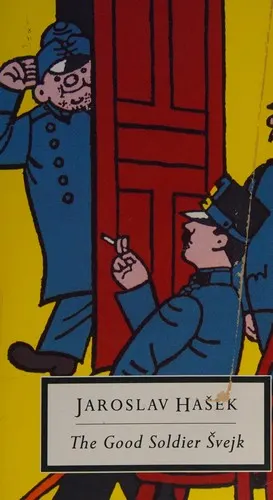
Is Švejk an obedient idiot or a genius using obedience as sabotage? Hašek never settles the question, and that uncertainty powers one of literature’s great comic characters. Swept into the Austro-Hungarian war machine, Švejk answers every command so literally—and with so many inexhaustible anecdotes—that authority begins to collapse around him.
Like Jin Yong, Hašek punctures noble ideals by placing a socially insignificant survivor at the center of enormous events. The unfinished novel became an international classic and a byword for resistance through apparent compliance. Its comedy is repetitive by design, accumulating until an empire looks less like a mighty institution than a tavern argument with uniforms.
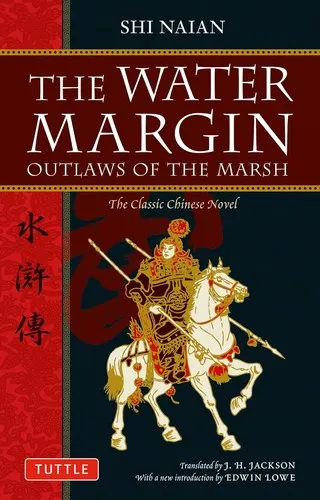
Read one of the great ancestors that Jin Yong both inherits and mischievously overturns. Its bandits, fighters, monks, officials, and tricksters inhabit a world where loyalty is exalted but rarely simple, violence can be exhilarating and appalling at once, and corrupt institutions make outlawry feel like both liberation and another trap.
What makes it essential is not merely its martial action but its teeming moral energy. Heroes arrive through unforgettable episodes, boasting, feasting, quarreling, and acquiring reputations that never quite contain their contradictions. One of the Four Great Classical Novels of Chinese literature, it helped shape centuries of popular storytelling and martial fiction. After Wei Xiaobao’s demolition of conventional chivalry, encountering this foundational, unruly brotherhood is less homework than discovering the deep current beneath Jin Yong’s comedy.