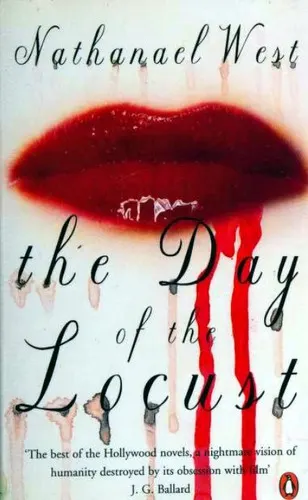
Books like The Day of the Locust
The Day of the Locust and Flannery O’Connor’s Wise Blood read like rival scriptures of an America whose hunger for salvation has become grotesque, comic, and dangerous.
If you liked The Day of the Locust, you’ll love these
Not lookalikes — kindred books. Each one shares something essential with The Day of the Locust, and we tell you exactly what.
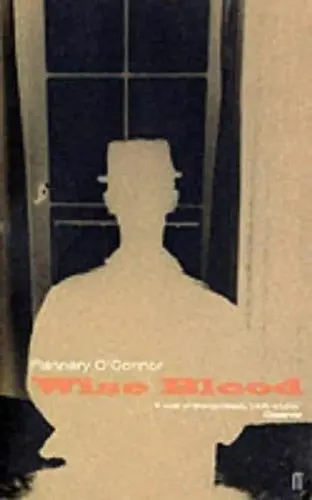
Hazel Motes returns from the army determined to found a church without Christ, but O’Connor treats his furious unbelief neither as a thesis nor as a joke: it is an obsession embodied in shabby suits, battered cars, fraudulent preachers, and startling acts of will. Like West, she makes grotesques horribly funny without denying their loneliness, and her clean, pitiless sentences keep comedy and spiritual terror inseparable.
O’Connor’s first novel became a cornerstone of the American grotesque because its strangeness is not decorative; it exposes the fanaticism latent in ordinary desire. Anyone exhilarated by West’s vision of yearning curdling into violence should not miss its fiercest religious counterpart.
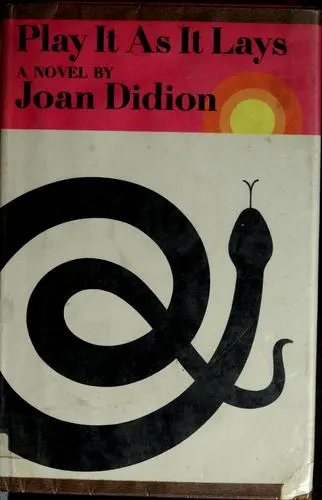
Didion takes the psychic vacancy West saw in Hollywood and renders it in a radically different key: not carnival uproar but silence, freeways, numbered hospital corridors, and the ritual of continuing when reasons have run out. Maria Wyeth, an actress whose life is coming apart, moves through these spaces with an eerie, disciplined detachment.
The novel’s very short chapters and hard cuts make it feel edited rather than narrated; almost every sentence has been stripped of consolation. It is now one of Didion’s defining works, admired with unusual devotion for turning despair into immaculate form. Where West gives you the scream gathering inside the crowd, Didion gives you the lucid stillness after the scream.
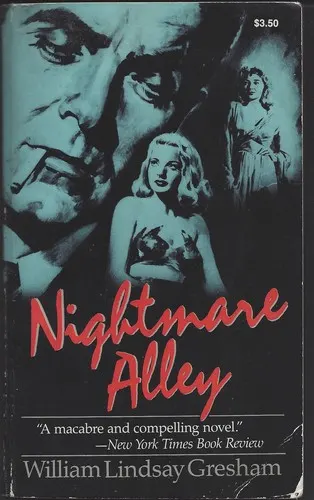
A young carnival worker discovers that people can be manipulated through their need to believe. From that opening, Gresham builds a ferocious study of appetite, self-invention, and the business of manufacturing hope for the desperate. His performers and swindlers have the same unsettling doubleness as West’s figures: they are predators, victims, craftsmen, and products all at once.
Long revered as a cult classic of American noir—and powerful enough to inspire two major film adaptations—the novel reaches beyond crime fiction into something nearly mythic. Its momentum is irresistible, but what lingers is its understanding that humiliation and ambition may be the same impulse wearing different clothes. West’s readers will recognize that merciless insight immediately.