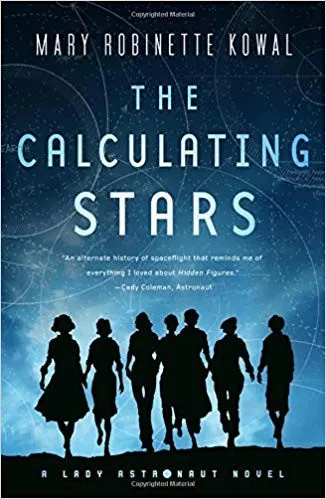
Books like The Calculating Stars
After its final burn, the appetite remains for formidable women thinking under pressure, institutions forced to change, and optimism earned through exacting work rather than wishful thinking.
If you liked The Calculating Stars, you’ll love these
Not lookalikes — kindred books. Each one shares something essential with The Calculating Stars, and we tell you exactly what.
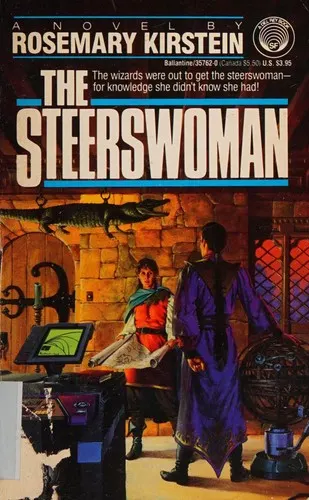
Rowan belongs to an order devoted to gathering and freely sharing knowledge. When an apparently ordinary jewel refuses to fit what she knows of the world, her patient questions attract dangerous attention.
Kirstein captures the same exhilaration Kowal finds in calculation: observation becomes suspense, reasoning becomes action, and competence feels heroic. Rowan’s friendship with the fierce, practical Bel also offers the pleasure of women whose different talents enlarge each other. A long-standing cult favorite among science-fiction readers, this is fantasy-shaped fiction powered by the scientific method—and discovering what Rowan discovers is unforgettable.
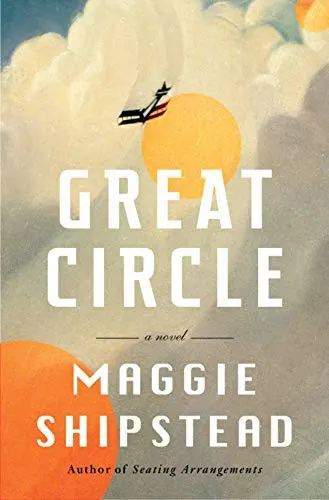
Marian Graves wants to fly with a consuming intensity, but early aviation is built around men who assume they own the machines, the money, and the women who need access to both. Shipstead makes flight physical and specific: fuel, weather, navigation, risk, and the intoxicating liberation of mastering an aircraft.
Unlike a simple triumph-over-sexism story, this Booker-shortlisted novel asks what uncompromising ambition costs and who gets to turn a woman’s life into legend. Its vast scale and propulsive storytelling make Marian’s determination feel elemental. If Elma’s hunger for the sky was the heart of Kowal’s novel for you, Marian’s will be impossible to resist.
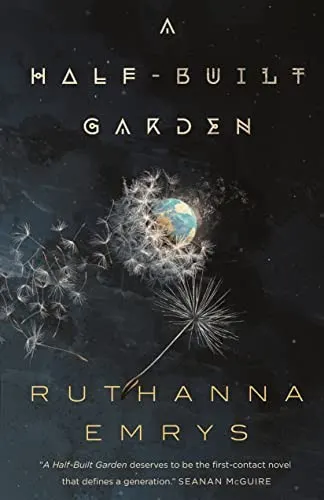
Judy Wallach-Stevens is monitoring her community’s watershed when she encounters the first alien visitors to Earth. What follows treats first contact not as a shooting war but as a ferociously consequential negotiation over ecology, family, technology, and who has the right to speak for humanity.
The kinship lies in its hopeful seriousness. Emrys understands that saving a world requires protocols, coalitions, childcare, persuasion, and people willing to revise a plan when reality intervenes. Judy’s marriage and extended household matter as much as the planetary stakes, giving the novel the rare warmth of science fiction in which intimate bonds strengthen public work. Its future feels genuinely buildable—and therefore worth fighting over.