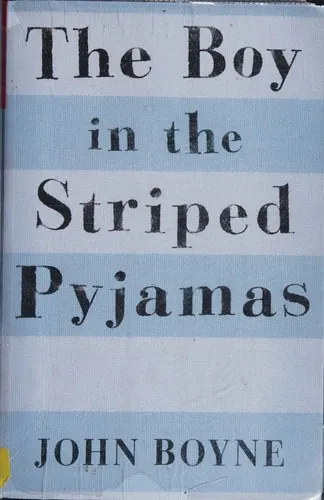
Books like The Boy in the Striped Pyjamas
The Boy in the Striped Pyjamas and A Monster Calls both trust fable to carry truths that ordinary language cannot bear.
If you liked The Boy in the Striped Pyjamas, you’ll love these
Not lookalikes — kindred books. Each one shares something essential with The Boy in the Striped Pyjamas, and we tell you exactly what.
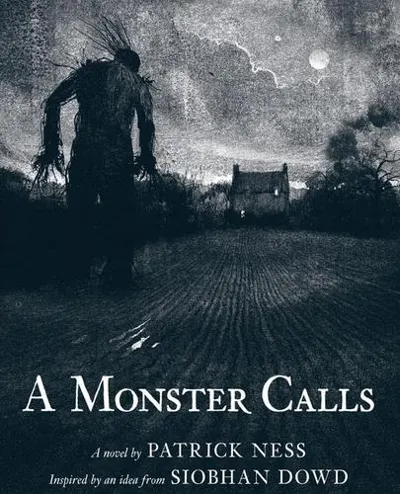
Conor’s mother is seriously ill, and one night a monster appears at his window demanding stories—and, eventually, the truth. Like Boyne, Ness writes with deceptive simplicity, allowing a child’s fear, anger and imperfect understanding to generate the novel’s emotional force.
This is not historical fiction, but it creates the same devastating collision between innocence and knowledge. Jim Kay’s shadowy illustrations deepen its dark-fairytale atmosphere; together, author and illustrator made it the first book to win both the Carnegie and Greenaway Medals. It is brief, beautiful and almost impossible to finish unmoved.
An elderly Mauritian man looks back on the childhood friendship that defined his life. In 1944, nine-year-old Raj discovers that the prison near his home holds refugees, among them a Jewish boy named David. Their friendship offers both boys a refuge from cruelties they only partly comprehend.
Appanah shares Boyne’s gift for placing a small, intimate bond against an immense historical wrong, but her lyrical, memory-soaked narration adds the ache of adult hindsight: Raj understands now what the child he was could not. Shortlisted for the Independent Foreign Fiction Prize, this slender novel has the concentrated power of a confession—and its tenderness lingers long after its final page.
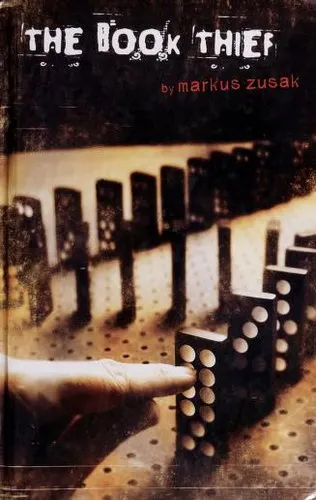
Death narrates the story of Liesel Meminger, a foster child in Nazi Germany who steals books before she can properly read them. Words become her contraband, comfort and means of resistance as the adult world grows steadily more dangerous.
Readers drawn to Bruno’s limited viewpoint will recognize Zusak’s use of dramatic irony: Liesel sees acts of kindness and brutality before she can fully name the system producing them. Yet this internationally beloved modern classic has a voice entirely its own—playful, intrusive, poetic and grimly compassionate. A Printz Honor book, it enlarges the emotional territory Boyne explores, showing why language itself can matter when history is being built from lies.