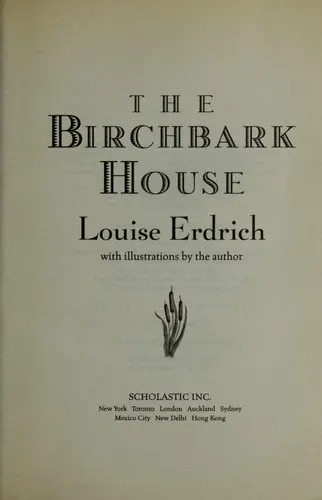
Books like The Birchbark House
Readers drawn to Omakayas’s alert, affectionate way of seeing cherish history made intimate: family teasing, skilled work, seasonal rhythms, and danger experienced from inside a living Ojibwe community rather than through an outsider’s gaze. These three novels preserve that blend of warmth, precision, and historical truth.
If you liked The Birchbark House, you’ll love these
Not lookalikes — kindred books. Each one shares something essential with The Birchbark House, and we tell you exactly what.
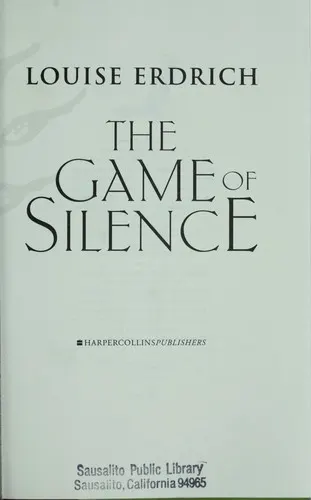
The natural first choice is also an exceptional novel in its own right. Omakayas returns as alarming news reaches her island community: other Ojibwe families have been driven from their homes, and the threat is moving closer.
Erdrich again makes daily life absorbing—maple sugaring, games, chores, rivalries—while allowing a child to grasp history gradually, through overheard conversations and changes in the adults around her. The Scott O’Dell Award–winning sequel is funnier, more suspenseful, and more emotionally expansive than a mere continuation. Stopping after The Birchbark House means leaving Omakayas just as her world, and her understanding of it, begin to widen.
Hanna, a half-Chinese girl traveling with her widowed father in the 1880s, dreams of earning a diploma and becoming a dressmaker. Her sewing gives the novel the tactile pleasure that food preparation, hide work, and gathering bring to The Birchbark House: competence matters, objects carry memory, and ordinary labor becomes a form of artistry.
Newbery Medalist Linda Sue Park wrote Prairie Lotus in deliberate conversation with the Little House tradition, preserving the appeal of close-knit frontier storytelling while confronting the exclusions and racism such stories often conceal. Hanna is observant, practical, and quietly formidable. Her longing to create beautiful things in a town determined to diminish her makes this a deeply satisfying story of dignity rather than a history lesson in disguise.
In 1954, the U.S. government declares Regina Petit’s Umpqua tribe legally nonexistent. Her family leaves their Oregon reservation for Los Angeles, where Regina must work out what it means to remain Indian when officials insist she is not.
Like Erdrich, McManis and Sorell show national policy entering a child’s life through concrete losses, family arguments, new neighbors, and bewildering schoolroom encounters. Yet the novel refuses to reduce Native life to suffering: Regina’s family is funny, imperfect, adaptable, and held together by stories and affection. Winner of the American Indian Youth Literature Award, Indian No More offers the same rare gift as The Birchbark House—history told with such human closeness that its people cannot be turned into abstractions.