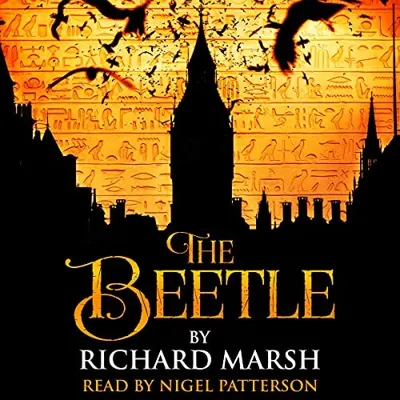
Books like The Beetle
Readers return to The Beetle for its headlong, disreputable energy: respectable London keeps losing its grip as desire, terror, and identity change shape beneath it.
If you liked The Beetle, you’ll love these
Not lookalikes — kindred books. Each one shares something essential with The Beetle, and we tell you exactly what.
Machen turns London into a maze of overheard confessions, dubious manuscripts, and strangers who may be performing identities rather than possessing them. Its nested narratives create the same delicious problem as Marsh’s competing testimonies: every new voice promises clarity and instead enlarges the nightmare.
Published in 1895, this “episodic novel” became a foundational work of weird fiction, admired by writers from H. P. Lovecraft onward. Its decadent imagery can be startlingly beautiful, but the book never becomes decorous; beneath the elegance lies something cruel and feral. Anyone who loves The Beetle’s collision of metropolitan bustle with archaic horror should experience Machen’s darker, more labyrinthine version of it.
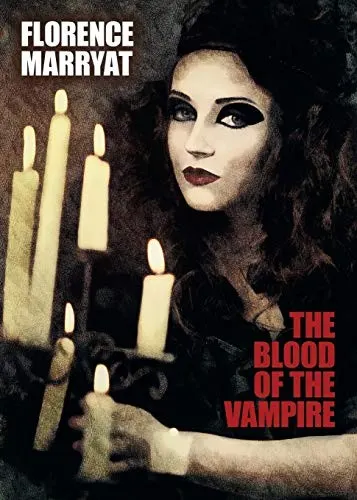
Harriet Brandt arrives at a Belgian hotel eager for friendship, only to become the object of fascination, desire, and increasingly sinister speculation. What makes the novel kin to The Beetle is not simply its fin-de-siècle fear of the foreign. Marryat exposes how eagerly respectable people convert an enigmatic outsider into a monster—and how race, sexuality, medicine, and gossip collaborate in that conversion.
Published, remarkably, in the same year as The Beetle and Dracula, Marryat’s novel was long eclipsed but has rightly returned to print as one of the period’s most provocative Gothic works. It is swift, melodramatic, and morally queasy: the reader is made complicit in judgments the novel continually unsettles. Missing it means missing one of the sharpest challenges to the anxieties Marsh exploits.
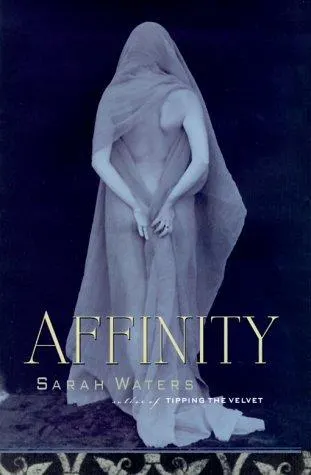
Margaret Prior begins visiting the women’s prison at Millbank, where she meets Selina Dawes, a spiritualist whose apparent powers once captivated fashionable drawing rooms. From that austere beginning, Waters builds suspense through journals, omissions, charged conversations, and the dangerous wish to believe.
Affinity replaces Marsh’s breathless pursuit with a slow tightening of psychological pressure, yet it shares The Beetle’s deepest fascination: power moving through mesmerism, performance, sexual secrecy, and unstable roles. Waters makes walls, clothing, handwriting, and silence feel ominous. Winner of the Somerset Maugham Award, the novel helped establish her reputation for historical fiction that is both sensuous and structurally cunning. Its atmosphere closes around the reader so completely that the final pages feel less like an ending than a trap springing shut.