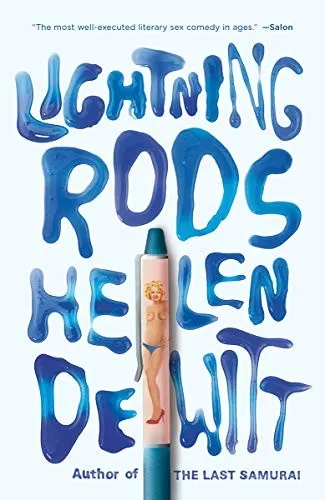
Books like Lightning Rods
You relish satire that follows an appalling idea with immaculate logic—where euphemism, salesmanship, and administrative competence become instruments of moral derangement.
If you liked Lightning Rods, you’ll love these
Not lookalikes — kindred books. Each one shares something essential with Lightning Rods, and we tell you exactly what.
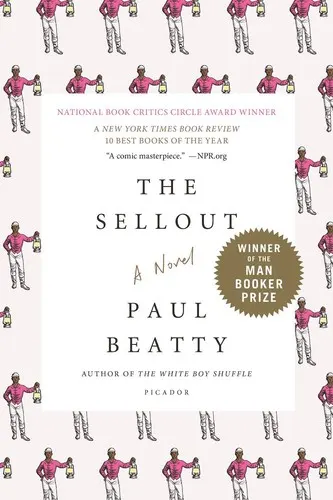
Beatty shares DeWitt’s fearless method: take a socially unspeakable proposition, refuse the reader an easy posture of disapproval, and examine the grotesque reasoning that respectable language usually conceals. From its opening before the Supreme Court, The Sellout turns American racial discourse into a barrage of jokes, arguments, reversals, and verbal traps.
Winner of the Booker Prize and the National Book Critics Circle Award, it earns that stature sentence by sentence. Like Lightning Rods, it is scandalously funny because its provocations are intellectually exact, not merely outrageous. Missing it means missing one of the few contemporary satires audacious enough to make laughter feel like being caught in the act of thinking badly.
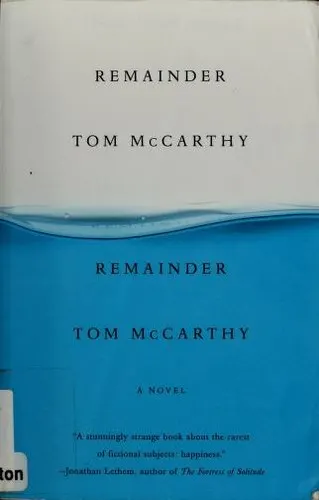
After receiving an enormous settlement, Remainder’s unnamed narrator begins spending his money on increasingly exact reconstructions of experiences that have seemed genuinely real to him. McCarthy treats every strange demand as a practical problem requiring property, personnel, rehearsals, and meticulous quality control.
That procedural seriousness is the link to DeWitt: lunacy becomes compelling once it acquires budgets, workflows, and performance metrics. The comedy is colder and more hypnotic than Lightning Rods, but it produces the same fascination with intelligence detached from ordinary moral brakes. Famously championed by Zadie Smith after its initially obscure publication, Remainder became a cult landmark because it offers a sensation few novels can match: watching obsession harden into an impeccably managed system.

A hapless English fence builder is promoted to foreman and sent to supervise two workers whose drinking and indifference make management nearly impossible. Mills writes in plain, mild sentences that treat every fresh disaster as another routine labor issue. The result is workplace comedy stripped down until it becomes something much darker and stranger.
A lover of Lightning Rods will recognize the lethal power of tone: no one needs to announce the absurdity because the managerial vocabulary keeps calmly absorbing it. This Booker-shortlisted debut has inspired lasting devotion among readers who prize deadpan fiction, and its brevity only sharpens its effect. Few novels demonstrate so perfectly how hierarchy, habit, and paperwork can make the unacceptable feel like standard procedure.