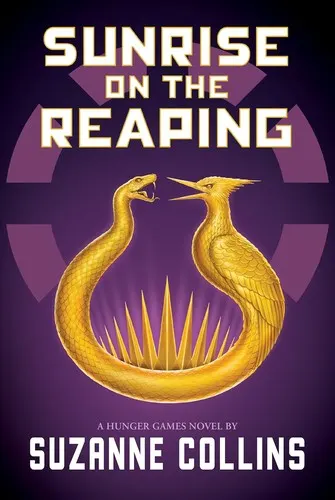
Books like Sunrise on the Reaping
Reading Sunrise on the Reaping is like watching a trap close one click at a time: tenderness, humor, and ingenuity survive inside a system designed to turn suffering into entertainment—and even hope carries a terrible price.
If you liked Sunrise on the Reaping, you’ll love these
Not lookalikes — kindred books. Each one shares something essential with Sunrise on the Reaping, and we tell you exactly what.
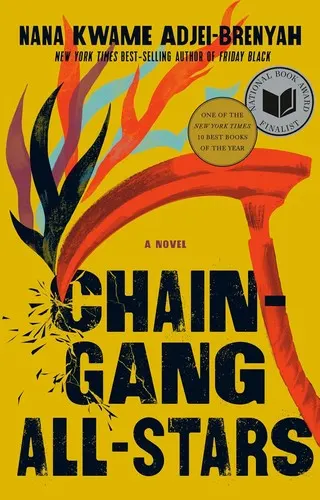
This National Book Award finalist is the strongest next read for anyone haunted by the Games as both slaughter and television. In a near-future America, incarcerated people fight in commercially sponsored death matches while commentators, fans, and protesters argue over the spectacle. Adjei-Brenyah makes the branding, euphemisms, audience complicity, and manufactured celebrity as disturbing as the violence itself.
But its real kinship with Sunrise on the Reaping lies in the private loyalties that refuse to remain content for an audience. Fierce, inventive, and painfully tender, it asks what resistance can mean when power owns the arena, the cameras, and the story told afterward. Its satirical energy only sharpens its grief.

Kathy H. begins by remembering Hailsham, the peculiar English school where she grew up with Ruth and Tommy. Her calm, intimate voice gradually makes ordinary childhood memories feel charged with meanings the children cannot yet articulate.
Readers who loved Haymitch’s attempts to preserve love and truth inside an institution built on dehumanizing language will recognize Ishiguro’s devastating method: horror is normalized through routines, rules, and gentle euphemisms. The novel’s restraint makes every friendship, jealousy, and missed chance matter enormously. Booker-shortlisted and now regarded as a modern classic, it leaves the same ache of lives made precious—not less precious—by what has been stolen from them.
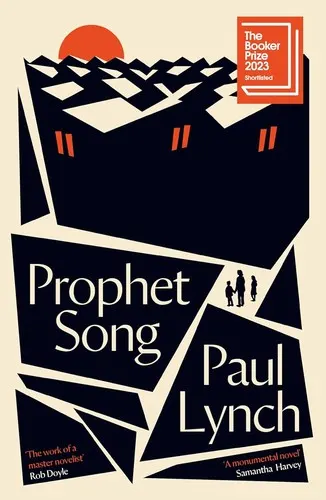
A secret-police visit to Eilish Stack’s Dublin home begins a swift constriction of her family’s world. Laws shift, public language curdles, familiar institutions become threatening, and each apparently practical choice narrows the choices that remain.
The 2023 Booker Prize winner captures authoritarianism not as an abstract political system but as bewilderment at the kitchen table: whom to trust, when to act, how to protect people who want different things. Lynch’s surging prose creates the breathless pressure Sunrise on the Reaping generates when official reality and lived reality split apart. It is uncompromising about the cost of tyranny—and unforgettable about the stubborn human impulse to keep loving anyway.