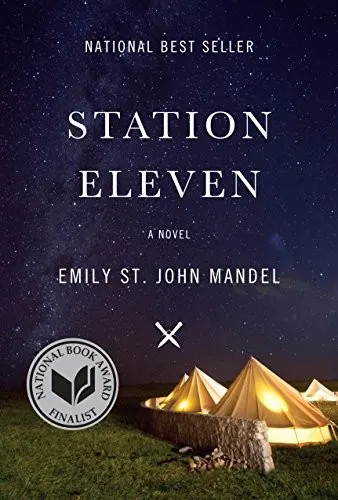
Books like Station Eleven
Station Eleven knows that civilization is not merely infrastructure: it is memory, art, ritual, and the fragile web of connections that makes survival worth the trouble.
If you liked Station Eleven, you’ll love these
Not lookalikes — kindred books. Each one shares something essential with Station Eleven, and we tell you exactly what.
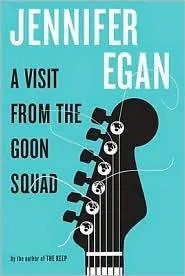
Egan’s Pulitzer Prize–winning novel has no pandemic, but it shares Station Eleven’s exhilarating architecture: lives separated by years and circumstance gradually reveal themselves as parts of one intricate design. Minor figures become central; a casual encounter acquires unexpected emotional weight; time transforms everyone.
Music occupies the place theater holds in Mandel’s novel—a beautiful, compromised means of reaching across loneliness. Egan is formally daring, famously including a chapter told through PowerPoint slides, yet the experimentation never eclipses her tenderness toward people facing regret, aging, and lost possibilities. If you loved the moment when Station Eleven’s scattered connections clicked into place, this offers that pleasure in abundance.
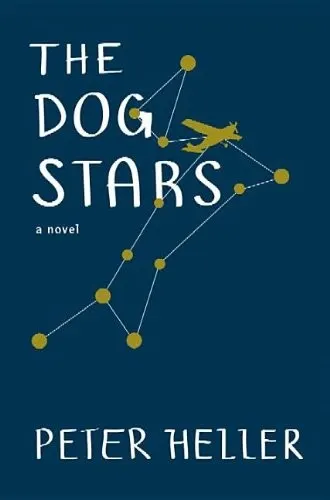
Heller begins after a flu has emptied much of the world, with Hig surviving at a small Colorado airfield alongside an armed, deeply suspicious companion. But this is not primarily a survival manual or a parade of horrors. Like Station Eleven, it asks what remains after mere endurance has ceased to be enough.
Hig’s narration is spare, broken, and unexpectedly lyrical; his flights over the altered landscape hold grief and beauty in the same frame. The novel’s real force lies in his stubborn appetite for tenderness—for dogs, rivers, conversation, and the possibility that another human being might still answer. The Dog Stars has become a modern post-apocalyptic touchstone because it restores wonder to a genre built around ruin.
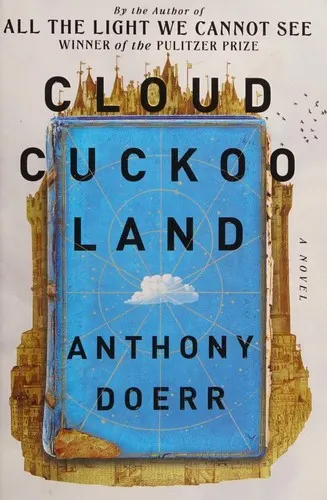
Doerr braids together readers and dreamers living centuries apart, all linked by the precarious survival of an old tale. That premise develops the quality Station Eleven captures so movingly: art travels through catastrophe by means of ordinary people who may never know whom their care will reach.
A National Book Award finalist, Cloud Cuckoo Land is grand in scale but intimate in its loyalties. Libraries, manuscripts, translations, and stories become living chains of rescue rather than cultural ornaments. Doerr’s intricate construction rewards attention as distant details begin to rhyme, while his characters possess the same mixture of vulnerability and unlikely resilience that makes Mandel’s ensemble unforgettable. It is a novel about preservation that itself feels worth preserving.