Books like Russian Sleep Experiment
A sealed door, a bloodless incident report, and the creeping realization that whatever is inside has stopped obeying the rules of the human mind: these three novels turn clinical containment into intimate nightmare.
If you liked Russian Sleep Experiment, you’ll love these
Not lookalikes — kindred books. Each one shares something essential with Russian Sleep Experiment, and we tell you exactly what.

This cult favorite from the world of SCP fiction has the same dangerous-document quality that makes Russian Sleep Experiment so effective: it reads like information you were never meant to find. Its antagonists are “antimemes”—entities and ideas that conceal themselves by destroying or altering memories of them—and the people assigned to contain such threats can barely remember the war they are fighting.
qntm builds terror through reports, protocols, missing records, and sudden failures of comprehension. The prose is brisk and procedural, yet the implications are enormous. If Russian Sleep Experiment made you enjoy the moment when an official account becomes evidence of something impossible, this is the richest modern extension of that sensation.
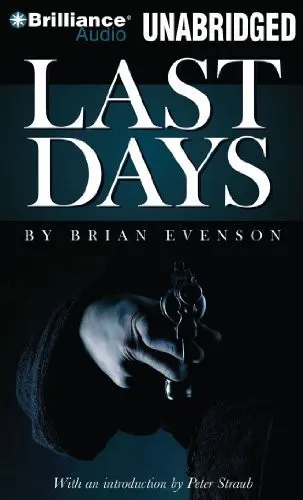
A detective named Kline is forced to investigate a murder within a religious brotherhood whose members pursue spiritual authority through increasingly severe amputations. Evenson describes the resulting violence with unnerving composure: no melodramatic shrieking, just clean sentences recording a world in which mutilation has acquired its own bureaucracy and logic.
That emotional coldness is precisely what makes the novel vicious. Like Russian Sleep Experiment, it understands that atrocity becomes more disturbing when everyone involved treats it as procedure. Last Days helped establish Evenson as one of contemporary horror’s most singular stylists; its grotesque theology, deadpan humor, and nightmare momentum are difficult to shake off.
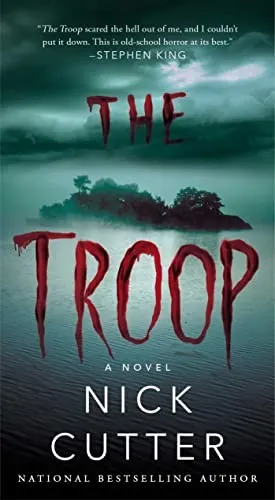
During a Boy Scout excursion on an isolated island, an impossibly emaciated stranger arrives at the camp—and the boys’ ordered little world begins to collapse. Cutter turns biological horror into an ordeal of appetite, panic, and compromised bodies, repeatedly asking how quickly civilized behavior disappears when survival becomes visceral.
The novel’s interspersed testimony and scientific material give the carnage a retrospective, evidentiary chill, while its main narrative delivers the escalating brutality readers of Russian Sleep Experiment are likely seeking. The Troop has become a modern touchstone for uncompromising body horror because it does not merely display physical corruption; it makes every twitch and hunger feel horribly plausible.