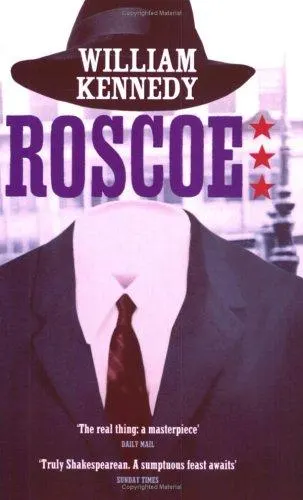
Books like Roscoe
You loved the way Roscoe turns a city’s corruption into something intimate: a story of loyalty, appetite, memory, and the terrible difficulty of leaving one’s past behind. These three novels possess that same moral and emotional abundance.
If you liked Roscoe, you’ll love these
Not lookalikes — kindred books. Each one shares something essential with Roscoe, and we tell you exactly what.
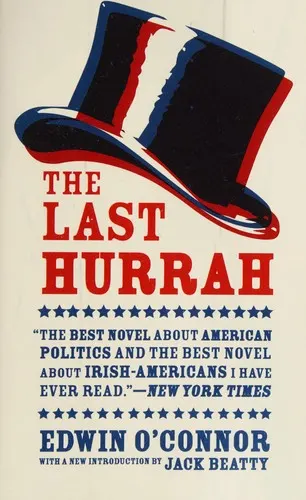
Frank Skeffington, an aging mayor facing one more campaign, rules through favors, friendships, funerals, and an almost instinctive knowledge of his city. The kinship with Roscoe goes deeper than Irish-American machine politics: O’Connor likewise understands patronage as both corruption and community, a system sustained by genuine human bonds as well as cynical bargains.
The novel is wonderfully funny about reformers, newspapermen, ward bosses, and respectable hypocrites, yet Skeffington is never reduced to a lovable rogue. His gifts and failings spring from the same profound appetite for people. Long regarded as a classic American political novel, The Last Hurrah offers precisely the elegiac pleasure of watching an old political world disclose all its vitality as it begins to vanish.
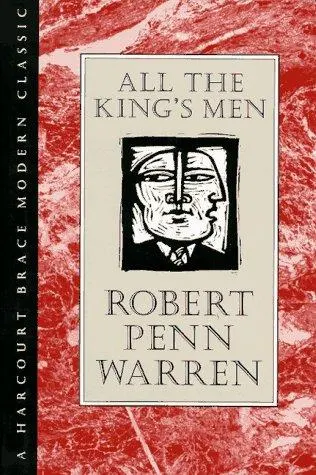
If Roscoe’s greatest attraction was its fusion of political history with private guilt, this Pulitzer Prize winner is indispensable. Jack Burden works for the charismatic populist Willie Stark, but the novel’s real territory is Jack’s consciousness: his evasions, inherited secrets, erotic disappointments, and growing realization that no life can be detached from what came before it.
Warren writes with a rolling, incantatory force that can make a drive down a highway feel charged with fate. Politics becomes a test of whether good can emerge from compromised means, while historical research becomes a dangerous form of self-knowledge. Few American novels make power feel so physically exciting—or its moral consequences so inescapable.
Russo’s Pulitzer-winning novel replaces Albany’s political machine with a decaying Maine town dominated by one wealthy family, but it shares Kennedy’s gift for making an entire civic ecosystem breathe. At the center is Miles Roby, the decent, stalled manager of the Empire Grill, surrounded by ex-wives, priests, policemen, old classmates, failing businesses, and people who know far too much about one another.
Its comedy is quieter than Roscoe’s but just as humane: Russo notices vanity and foolishness without withdrawing affection. Gradually, the town’s economic decline, Miles’s family history, and his habit of surrendering his own desires reveal themselves as parts of one design. Empire Falls has inspired lasting devotion because its generous readability conceals formidable craft; by the end, a modest diner and its regulars seem to contain a whole American world.