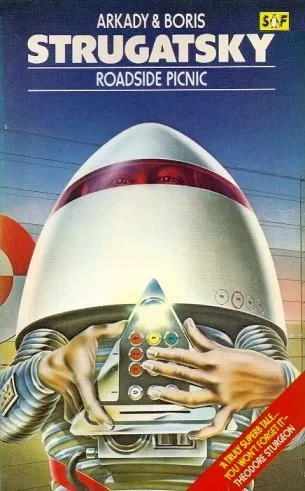
Books like Roadside Picnic
What lingers is the thrill of an impossible place that never becomes a solvable puzzle: alien debris, human greed, bureaucratic absurdity, and the suspicion that contact with the sublime may only expose how small and compromised we are.
If you liked Roadside Picnic, you’ll love these
Not lookalikes — kindred books. Each one shares something essential with Roadside Picnic, and we tell you exactly what.
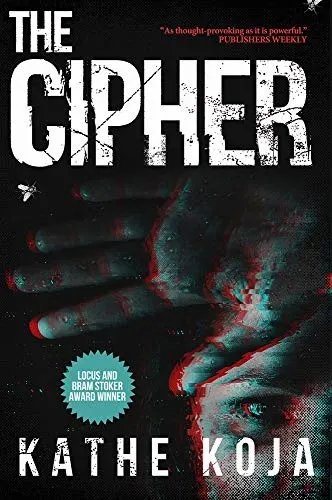
A struggling couple discover an inexplicable black void in a storage room. Koja cares less about identifying it than about what proximity to it does to people: curiosity curdles into exploitation, devotion, jealousy, and bodily ruin.
Like Roadside Picnic, this Bram Stoker Award winner drags cosmic mystery through shabby, desperate lives. Its anomaly remains genuinely alien, while its characters immediately try to possess, monetize, aestheticize, or worship it. Koja’s feverish prose makes fascination feel contaminating; this cult novel is one of the rare books that captures the Zone’s squalid magnetism without merely copying it.
Scientists assemble in a secret desert facility to decode what may be a message from space. The premise sounds like a puzzle, but Lem turns it into a ruthless examination of whether human beings can recognize intelligence that does not resemble their own—or whether every interpretation simply reflects our politics, ambitions, and fears.
The kinship lies in cosmic indifference and institutional farce: immense possibilities are processed by committees, military interests, rival egos, and uncertain science. Lem, one of speculative fiction’s great philosophers, makes failure to understand more intellectually exciting than most writers make revelation. If Roadside Picnic’s picnic metaphor lodged in your mind, this is its formidable epistemological companion.
Harrison’s Saudade contains an unstable Event Site that attracts tourists, criminals, guides, and people desperate to cross into something reality cannot accommodate. But the deeper resemblance is Harrison’s refusal to turn strangeness into tidy lore. The Site distorts lives and language; explanations remain suspect; desire itself becomes a kind of contamination.
Winner of the Arthur C. Clarke Award, Nova Swing is a noirish, deliberately disorienting masterpiece about people commercializing the incomprehensible. Its hustlers and damaged obsessives have Red Schuhart’s moral grime, while Harrison’s fractured, luminous prose makes every doorway feel unsafe. Few novels understand so well that the unknown loses its power the moment it becomes merely knowable.