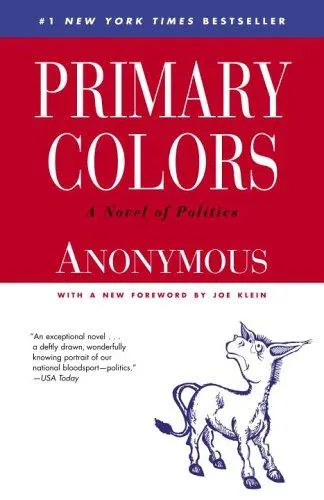
Books like Primary Colors
Primary Colors understands that political charisma is neither a fraud nor a virtue: it is a real gift whose warmth can make intelligent people collaborate in their own disillusionment.
If you liked Primary Colors, you’ll love these
Not lookalikes — kindred books. Each one shares something essential with Primary Colors, and we tell you exactly what.
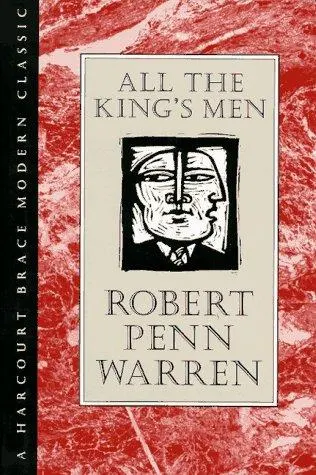
If Jack Stanton’s appetite, magnetism, and moral evasions fascinated you, meet Willie Stark—and, just as importantly, Jack Burden, the educated young aide who keeps converting conscience into observation. Warren captures the intoxicating logic by which service to a gifted politician becomes complicity, while refusing to reduce anyone to a villain or dupe.
Its Pulitzer is only the beginning of its standing: this is the American political novel against which later campaign novels are measured. It is darker and more majestic than Primary Colors, but it shares that book’s essential ache—the realization that seeing through a leader does not free you from loving him.
Brammer’s three linked stories orbit Arthur Fenstemaker, a larger-than-life Texas governor modeled partly on Lyndon Johnson. Yet the real subject is gravitational pull: how a politician’s energy rearranges the emotional lives of aides, legislators, spouses, and strays. The dialogue crackles, the drinking and maneuvering feel observed rather than researched, and comedy keeps turning unexpectedly into loneliness.
Published in 1961, it became a cult classic among writers and political insiders; its admirers regard it as one of the shrewdest novels ever written about American power. Primary Colors readers will recognize its rare combination of insider accuracy and bruised affection—and may wonder why this remarkable book is not as famous as the politicians it helped teach fiction to portray.
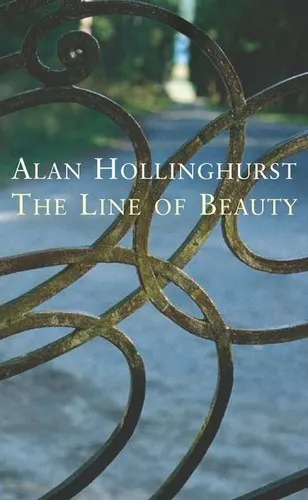
Nick Guest enters the household of a rising Conservative politician in Thatcher’s Britain and finds himself dazzled by money, confidence, elegance, and proximity to power. Hollinghurst’s great trick is to let us share Nick’s enchantment while exposing everything that enchantment prevents him from seeing. Like Klein, he makes access feel delicious before showing its moral cost.
This Booker Prize winner is more sensuous and socially panoramic than Primary Colors, with sentences polished to a dangerous gleam. But its satire has the same double edge: these people are absurd, seductive, compromised, and alive. Few novels render so precisely the moment when being inside the room begins to deform the person lucky enough to enter it.