Author
Books like A. S. Byatt
6 books we recommend to A. S. Byatt readers, drawn from Possession and The Children's Book — each with the reason why.
If you loved Possession
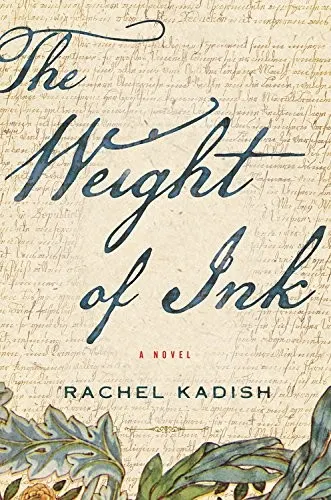
An ailing historian and her young assistant examine a cache of seventeenth-century papers discovered in a London house—and begin recovering the mind of an intellectually audacious woman whom history nearly erased.
Kadish understands, as Byatt does, that archival work is not dry preparation for the drama: it is the drama. A disputed attribution, an unusual phrase, or a scrap of correspondence can produce genuine suspense. The novel also shares Possession’s fascination with desire sharpened by scholarship and with women forcing their intellect into traditions designed to exclude them. Winner of the National Jewish Book Award, it is an unusually satisfying union of philosophical ambition, emotional force, and the intoxicating sense that a voice buried for centuries is speaking directly to you.
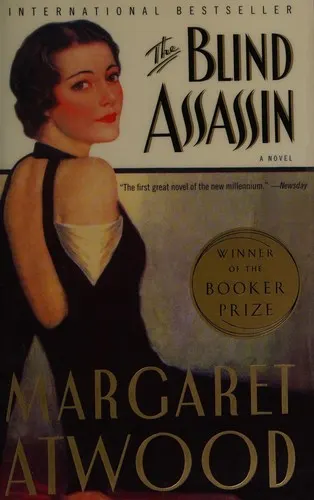
Atwood begins with a death, then builds an intricate machine from memoir, newspaper reports, family history, and a novel-within-the-novel about two lovers telling each other stories. Reading it means learning to detect what has been hidden inside apparently familiar forms.
A lover of Possession will recognize the pleasure of becoming an interpreter: every shift in genre alters what the surrounding narrative means, while private passion survives in coded and indirect language. Yet Atwood’s tone is her own—dry, ruthless, and darkly funny—and her portrait of memory is less romantic than Byatt’s. This Booker Prize winner rewards attention magnificently; by the end, its nested stories feel not ornamental but inevitable.
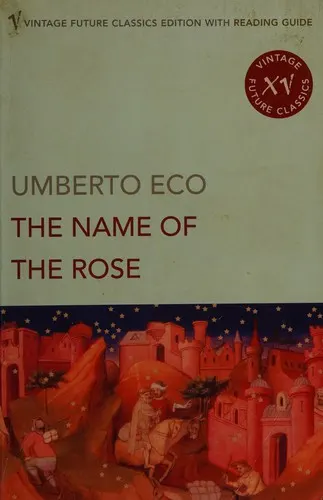
In a remote medieval abbey, a learned friar and his novice arrive for a theological gathering and encounter a death that demands investigation. The clues lie in manuscripts, interpretations, forbidden knowledge, and the architecture of a library.
Eco makes intellectual history dangerously physical: arguments about signs, laughter, heresy, and textual authority become matters of appetite and power. Like Possession, the novel trusts readers to enjoy erudition without treating it as homework, and its mystery grows from the perilous instability of interpretation itself. An international phenomenon that helped prove a densely learned novel could also be compulsively readable, it offers the rare thrill of entering a formidable intelligence and finding a page-turner there.
If you loved The Children's Book
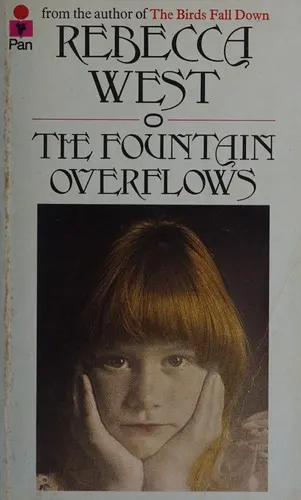
The closest kinship lies in its brilliant, alarming portrait of an artistic household. The Aubrey children are raised amid music, debt, psychic intuitions, parental fecklessness, and the conviction that aesthetic judgment matters more than ordinary respectability. Like Byatt, West understands that bohemian freedom can look very different to the children required to survive it.
West—one of the twentieth century’s most formidable critics—writes family life with sensuous immediacy and ruthless intelligence. A piano lesson, an ugly room, or a mother’s assessment of a child’s talent can carry the force of a moral verdict. The result is both enchanting and unsentimental: a family chronicle in which art is vocation, refuge, weapon, and burden. Readers who loved the Wellwoods will recognize the dangerous glamour at once.
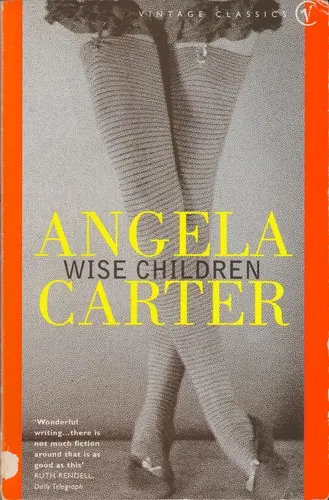
If the theatricality, hidden parentage, sexual disorder, and fairy-tale exuberance of The Children’s Book delighted you, Carter’s final novel is indispensable. Dora Chance, a seventy-five-year-old chorus girl, narrates the tangled history of the Chance and Hazard theatrical dynasties—a world of twins, disputed legitimacy, Shakespeare, greasepaint, and spectacularly unreliable respectability.
Carter compresses a century of English cultural history into a bawdy family performance, but beneath the jokes is a serious argument about who gets acknowledged, who gets written out, and how unofficial children make an art of survival. Wise Children has become one of Carter’s best-loved novels because its formal cleverness never cools its human warmth. It is audacious, hilarious, and moving: the carnivalesque cousin of Byatt’s darker pageant.
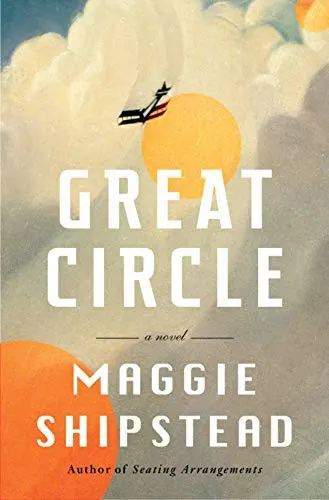
Shipstead matches Byatt’s appetite for the large canvas without sacrificing the intimate costs of ambition. The novel braids the life of Marian Graves, determined from childhood to become an aviator, with that of Hadley Baxter, the modern actor chosen to portray her. Between them, Shipstead examines how a life becomes a legend—and how artists simplify, appropriate, or misunderstand the people they depict.
The Booker-shortlisted novel earns its scale through accumulation: maps, photographs, films, accidents of inheritance, and the stubborn material work of mastering a craft. Its women want freedoms their worlds have not designed for them, while siblings and surrogate families absorb the consequences. Like The Children’s Book, it makes historical change feel both panoramic and painfully domestic. Few recent novels offer such a satisfying combination of intellectual architecture, emotional sweep, and sheer narrative momentum.